



The Autumn Food and Wine Pairing Guide: Game, Mushrooms, Pumpkin, Roasts and Bonfire Night

Andi Healey
Web Manager

Autumn Guide - October 2026
The nights are drawing in, the heating is on and the food has got a bit more earthy. This is the guide to matching autumn's best ingredients, from a brace of pheasant to a plate of bonfire sausages, with the right wine and, of course, the right glass to pour it into.
TL;DR
- Autumn food is earthy, rich and savoury, so Pinot Noir is the safest red to have on the table. It works with game, mushrooms and a good many roasts.
- Butternut squash and pumpkin want a white with some weight: a rounded Chardonnay, Viognier or dry Chenin Blanc.
- For Bonfire Night, pour a fruity, robust red such as Zinfandel or Shiraz with the sausages, a Tawny Port with the toffee, and English sparkling wine for the fireworks.
- Do not put hot mulled wine into fine crystal. Use heatproof glasses or mugs, and keep the good glasses for the good wine.
The Autumn Food and Wine Pairing Guide
This is the third of our seasonal pairing guides, after spring and summer, and it is the one where the wine really starts to earn its keep.
Spring and summer food is bright and fresh, so the wines are too. Autumn food is a different animal. It is slow-cooked, roasted, caramelised and earthy: game, mushrooms from the woods, squash baked until the edges catch. The wines should follow suit. More weight, more savoury character and more structure.
Glass shape matters more now than at any other time of year, for one practical reason. Autumn wines are often complex, and complex wines need room. A proper bowl lets a Pinot Noir gather its aromas of forest floor and red fruit, and gives a rich Chardonnay space to open up.
Pour either into a small, narrow glass and you will taste a shadow of the wine you paid for.
Before Bonfire Night
Bonfire Night is next Thursday (5th November). Order your glasses this weekend and we'll get them to you before then.
The Bonfire Night section below has some ideas on what to pour into them.
Game: venison, pheasant and friends
Game is autumn's signature, and it is the food that most rewards a bit of thought about the wine. The meat is lean, dark and flavourful, with a savoury, slightly mineral edge. It wants a red with acidity to keep things lively and enough structure to stand up to it, but without so much oak or alcohol that the wine takes over.
Venison is king, and roast loin or a seared steak is at its best with Pinot Noir, whose red fruit and acidity suit the lean meat, or a Syrah with a peppery edge that picks up the gaminess. A venison stew or a pie with a rich gravy needs more weight: a Malbec or a Cabernet-based blend, in a Bordeaux-shaped glass. If there are berries or redcurrant in the sauce, a fruit-forward red such as Zinfandel will meet it halfway.
Pheasant and partridge are milder, and more forgiving. Roast pheasant works well with Pinot Noir again, or with a white Burgundy if the bird is served with cream, bacon or chestnuts. Partridge, with its more delicate flesh, likes a lighter, older Pinot.
Grouse is the strongest and most distinctive of the lot, and calls for a wine with real character: a mature Burgundy, or a northern Rhône Syrah with its smoke and black pepper.
Duck is rich, fatty and slightly sweet, particularly with an orange or cherry sauce. Pinot Noir is again the dependable choice, and a Rhône blend is a good alternative.
For the full run through the game larder, including rabbit, hare and guinea fowl, see our guide to pairing wine with game meats.
Which glass
For Pinot Noir, use a wide, open Pinot Noir glass. For Syrah or Shiraz, a Syrah glass with a slightly tapered rim gathers the pepper and smoke.
Heavy game stews with Malbec or Cabernet want a Bordeaux shape.
Mushrooms: earth on a plate
Wild mushrooms in particular have an earthy, savoury, almost meaty depth, and the best Pinot Noirs show themselves in much the same terms: forest floor, damp leaves, a savoury edge under the fruit.
That is the clue. Pinot Noir, especially from Burgundy, is one of the best partners for mushrooms on toast, a mushroom risotto or a wild mushroom tart. Keep the wine light-to-medium and not too oaky, so it echoes the earthiness rather than flattening it.
If it's something bigger, porcini and truffle, then go for a Nebbiolo, the grape of Barolo and Barbaresco. Its character and firm tannins are a classic match for rich, intense mushroom dishes, and anything with truffle.
If the mushrooms are creamy, as in a stroganoff or a mushroom sauce, a white often works better than a red. A rounded Chardonnay, or an older white Burgundy, has the weight and the nutty depth to match. A Rioja Reserva is a good, more affordable middle path for mushrooms in any form.
One rule of thumb: the richer and creamier the mushroom dish, the more likely a white will suit it. The earthier and more rustic, the better a red.
Which glass
Mushrooms and Pinot Noir are at their best when the wine can unfold, so use the widest bowl you have. A Pinot Noir glass is the right shape, and serve the wine at about 14 to 15°C, not warm.
Squash and pumpkin
Roast squash is sweet, nutty and silky, and it is one of the more challenging foods in autumn pairing. Reach for a heavy red and the tannins will clash with the sweetness. White wine is usually the answer, and, again, the more weight and roundness it has, the better.
Roast butternut squash loves an oaked Chardonnay. The buttery, toasty character of the wine mirrors the caramelised edges of the squash. A Viognier, with its peachy, floral richness, does something similar.
Pumpkin soup is a job for Chenin Blanc. A dry Loire Chenin, from Vouvray or Savennières, has the honeyed richness and the acidity to cut through the creaminess. An Alsace Pinot Gris is another good option.
Squash with sage and brown butter, in a risotto or stuffed pasta, works well with a Chardonnay. If you would rather have a red, choose a light, soft Pinot Noir.
Spiced squash, in a curry or with ginger and chilli, wants an off-dry white. A Riesling Kabinett or a Gewürztraminer takes the heat and picks up the spice.
Which glass
Rich whites need space. Serve oaked Chardonnay in a proper Chardonnay glass and a little less cold than you would a Sauvignon Blanc, at around 10 to 12°C. For off-dry Riesling, the Riesling glass is the one.
Autumn roasts
We covered the four classic Sunday roasts in detail in The Sunday Lunch Guide, so here are the autumn variations.
Roast pork with apple sauce is the most autumnal of all. The sweetness of the apple suits a wine with a little sugar of its own: an Alsace Pinot Gris, or a Riesling Kabinett or Spätlese. If you prefer red, Pinot Noir is the dependable choice.
Roast chicken with all the trimmings is at its happiest with a Chardonnay, from Burgundy or a well-made one from elsewhere. If you have the roots and the stuffing as well, a light red such as Gamay works equally well.
Roasted root vegetables, and nut roasts, suit lighter reds with a savoury edge: a Gamay from Beaujolais, a Grenache, or a Côtes du Rhône. Their soft tannins and fruit leave the sweetness of the vegetables alone.
Beef and lamb follow the same rules as the rest of the year: a Bordeaux blend for the beef and a southern Rhône for the lamb.
A word on temperature
The old advice to serve red wine at room temperature dates from before central heating. A modern living room at 21 or 22°C is too warm for most reds, which turn soft and boozy. Fuller reds are happiest at 16 to 18°C, and Pinot Noir at 14 to 15°C. Twenty minutes in the fridge before you pour does wonders.
Bonfire Night
Bonfire Night is this Thursday. It is one of the great British food-and-drink occasions, and almost nobody gives the wine any thought. Which is a pity, because the food is full of flavour and ideally suited to a good glass.
The conditions are unusual. You are outside, it is cold, you are holding a plate in one hand and probably a sparkler in the other. So pick wines that are forgiving, robust and generous, and glasses that cope with the setting.
Sausages, jacket potatoes and chilli
Smoky, salty, savoury food with a bit of char needs a fruity, robust red. Zinfandel (or its Italian twin, Primitivo) is made for it, as is a Shiraz or a Côtes du Rhône. For a lighter touch with good sausages and a jacket potato, a Beaujolais has the fresh fruit and acidity to cut through the fat. Serve it just a little cool, which, as it is November and you are standing in a garden, shouldn't be too difficult.
For a stew or chilli, go for a Malbec.
Toffee apples, parkin and treacle toffee
The sweet food of Bonfire Night is intensely sticky, and a dry wine will taste thin and sour next to it. Go for something sweet and rich. A Tawny Port, with its nutty, caramel character, is a natural partner for treacle toffee and for parkin. A Pedro Ximénez sherry is wonderful with parkin, and pours happily over a scoop of ice cream. For a toffee apple, a demi-sec Vouvray, with its apple and honey notes, makes a lovely contrast.
Serve the Port in a Vinum Port glass at 12 to 14°C.
Fizz for the fireworks
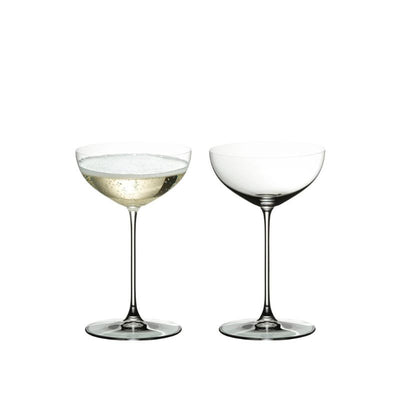
If there is one moment for sparkling wine, it is when the first rocket goes up. An English sparkling wine, a Crémant or a Cava all work well, and a wider bowl such as the Veloce English Sparkling Wine glass will bring out far more than a flute.
Mulled wine, done properly
Mulled wine is no place for your best bottle. Use an inexpensive, fruity, unoaked red such as a Garnacha, a Merlot or a Shiraz, and warm it gently with the spices and a little orange. Do not let it boil.
And please don't pour it into fine crystal. Pouring very hot liquid into thin glass can crack it. Use mugs or heatproof glasses for the mulled wine, and keep your proper wine glasses for the wine that deserves them.
Glasses for the garden
Stemless glasses such as the Riedel O range are a sensible choice outdoors. There is less to knock over, and they fit easily into a hand that is also holding a plate.
One last thing. Fireworks and alcohol do not mix. Whoever is in charge of lighting them should stay off the wine until they are all done, but they should have something good to drink instead. Our guide to no and low wine is a good place to start.
So, there you have it. Happy Halloween, have a good Bonfire Night, and don’t set fire to anything you weren’t planning to.

Quick reference table
| Food / occasion | Wine style | Riedel glass | Serve at |
|---|---|---|---|
| Roast venison, duck | Pinot Noir, peppery Syrah | Pinot Noir / Syrah Glass | 14-16°C |
| Venison stew, game pie | Malbec, Cabernet blend | Cabernet / Bordeaux Glass | 16-18°C |
| Pheasant, partridge, grouse | Burgundy, northern Rhône Syrah | Pinot Noir / Syrah Glass | 14-16°C |
| Wild mushrooms, mushroom risotto | Pinot Noir, Rioja Reserva | Pinot Noir / Syrah Glass | 14-15°C |
| Porcini, truffle | Nebbiolo (Barolo, Barbaresco) | Pinot Noir Glass | 16-18°C |
| Creamy mushroom dishes | Oaked Chardonnay, white Burgundy | Chardonnay Glass | 10-12°C |
| Roast butternut squash | Oaked Chardonnay, Viognier | Chardonnay Glass | 10-12°C |
| Squash soup | Dry Chenin Blanc, Pinot Gris | Riesling Glass | 9-11°C |
| Spiced squash, curry | Off-dry Riesling, Gewürztraminer | Riesling Glass | 8-10°C |
| Roast pork and apple | Pinot Gris, Riesling Spätlese, Pinot Noir | Riesling / Pinot Noir Glass | 8-14°C |
| Roast chicken | Chardonnay, Pinot Noir | Chardonnay / Pinot Noir Glass | 10-14°C |
| Bonfire sausages, jacket potatoes | Zinfandel, Shiraz, Beaujolais cru | Syrah / Riesling-Zinfandel Glass | 13-17°C |
| Bonfire chilli or stew | Malbec | Cabernet / Bordeaux Glass | 16-18°C |
| Parkin, treacle toffee | Tawny Port, Pedro Ximénez | Port Glass | 12-14°C |
| Toffee apples | Demi-sec Vouvray | Riesling Glass | 8-10°C |
| Fireworks | English sparkling, Crémant, Cava | Sparkling Wine Glass | 7-9°C |
Frequently asked questions
What wine goes best with venison?
For roast venison or a seared steak, choose Pinot Noir, or a peppery Syrah. The red fruit and acidity suit the lean meat, and the pepper picks up the gamey flavour. For a stew or a pie with a rich gravy, move up to a Malbec or a Cabernet-based blend, which have the structure to stand up to the sauce.
What red wine goes best with mushrooms?
Pinot Noir, particularly from Burgundy, is the classic partner. Its earthy, forest-floor character echoes the mushrooms, and its acidity keeps things fresh. For porcini or anything with truffle, try Nebbiolo from Barolo or Barbaresco. For creamy mushroom dishes, a white such as oaked Chardonnay often works better than a red.
What wine pairs with butternut squash?
Reach for a white with weight and roundness. A lightly oaked Chardonnay is the safest choice for roast squash, and a Viognier is a good alternative. For squash soup, a dry Chenin Blanc from the Loire works well. If the squash is spiced, an off-dry Riesling or a Gewürztraminer will cope with the heat.
What should I drink on Bonfire Night?
With sausages, jacket potatoes and chilli, a fruity, robust red such as Zinfandel, Shiraz or Côtes du Rhône is ideal. With the toffee apples and parkin, a Tawny Port or a Pedro Ximénez sherry. For the fireworks themselves, an English sparkling wine, a Crémant or a Cava. Whoever is lighting the fireworks should stay off the alcohol until they are finished.
Can I serve mulled wine in my good wine glasses?
It is best not to. Pouring very hot liquid into thin glass can crack it. Use mugs or heatproof glasses for mulled wine, and keep your Riedel glasses for the wine you are drinking at its proper temperature. Mulled wine is also a good use for an inexpensive, fruity red rather than a bottle you care about.
Should red wine be served at room temperature?
Not in a modern centrally heated home. The advice dates from a time when rooms were much cooler. Most fuller reds are best at 16 to 18°C, and lighter reds such as Pinot Noir at 14 to 15°C. If your room is warm, twenty minutes in the fridge before pouring makes a noticeable difference.
The right glass for every autumn table
Order this weekend and we'll get your glasses to you before Bonfire Night. Use our glass finder to match your wine to the right Riedel glass.
Glass Finder Tool Stemless Glasses


Leave a comment