


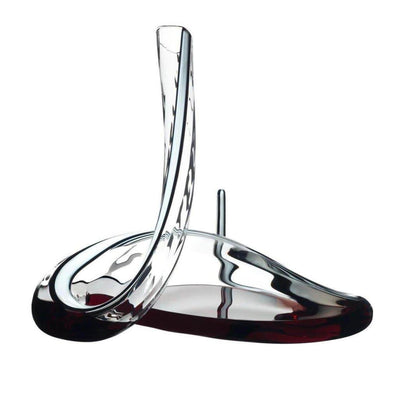
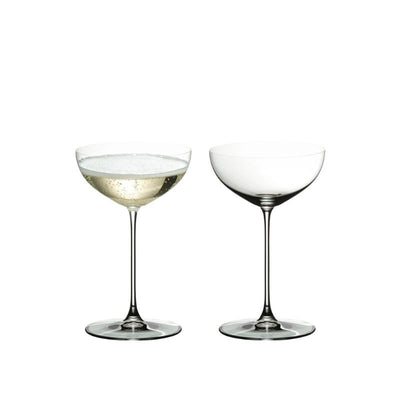

The Sunday Lunch Guide: What to drink with beef, lamb, pork, and chicken, and what to drink it from.

Andi Healey
Web Manager

The Sunday roast is the most serious meal of the British week. Hot oven, the smell of beef fat and rosemary, an argument in the kitchen about the best way to cook Yorkshire puddings.
You've thought about the food. You've (hopefully) thought about the wine. The question most people don't think about is what they're pouring it into.
That's a missed opportunity. The wine you choose is only part of the experience. The glass you serve it in is the other. The right shape opens the wine up. The wrong one flattens it before it gets to you. Knowing that a Pinot Noir works with pork is useful. Knowing that it needs a wide Burgundy bowl to give it the air it needs is the third, and final part of a great pairing.
TL;DR
The wine matters. The glass matters too. Most pairing guides stop at the bottle and miss half the experience.
-
- Beef: a Bordeaux blend in a Bordeaux glass.
- Lamb: a southern Rhône red in a wide-bowled Syrah glass.
- Pork: Pinot Noir in a Burgundy bowl, or old-vine Garnacha in a Syrah shape.
- Chicken: a Burgundy-style Chardonnay in a big, round bowl, or a Viognier in a proper Chardonnay glass.
What this article covers
Here's what to pour with each of the four classic Sunday roasts, and what to drink it from.
Beef and the Bordeaux glass
Good roast beef needs a wine with structure. Tannin to cut through the fat, weight to match the meat, dark fruit to sit alongside the gravy. Bordeaux varieties do this better than anything else. A Cabernet-led blend from the Médoc, a Merlot-driven right bank, an Argentinian Malbec.
All work, all for the same reasons.
The glass you need is the Bordeaux shape. Tall bowl, slightly narrower at the rim than at the widest point. That shape directs the wine over to the back of the tongue rather than the front, which softens the perception of tannin and lets the dark fruit come through. The same Cabernet poured into, say, a wide Burgundy bowl will taste flatter and more aggressive: too much surface area, not enough focus. In a Bordeaux glass it tastes fuller, more integrated, more itself.
There's a reason Riedel make a Cabernet glass in every range they produce.
The three rules for proper Yorkshire puddings
There's no shortage of Yorkshire pudding advice on the internet. Most of it is wrong, fussy, or both. Three things matter.
The batter goes in the fridge for at least an hour before it goes in the oven. Cold batter, hot fat: that's the contrast that creates the fluffy, rising magic.
The fat has to be smoking hot. Not warm, smoking. Beef dripping if you've got it, vegetable oil if you haven't.
Don't open the oven door for the first fifteen minutes. Whatever's happening in there, leave it alone.
Get those three right and nothing else about the recipe matters very much.
Lamb and the Syrah bowl shape
Lamb has a flavour profile that is sometimes called "gamey", which is defined as "a strong, intense, and often earthy or musky flavour." What it really means is that lamb carries more aromatic complexity than beef, and rewards wines that match it.
The southern Rhône is the obvious place to look. Grenache for the sweet red fruit, Syrah for the pepper and savouriness, Mourvèdre for the earthier notes underneath. A decent Châteauneuf-du-Pape covers all three.
These wines need oxygen to show themselves, and that's where the glass earns its keep. A wide-bowled shape, ideally a Syrah glass with a gently tapered rim, gives the wine surface area to breathe and a chimney to gather the aromatics. The first thing you'll notice is the nose: the smell of it hits well before you've tasted the wine.
Pour the same bottle into a narrow glass and most of that aromatic work is lost. You're paying for a Châteauneuf and drinking a vin de table.
The anchovy that doesn't taste of fish
Anchovies and lamb belong together. Two fillets mashed with garlic and rosemary and pushed into slits in the joint before roasting do wonders for Rhône-wine pairing.
You won't taste fish. What you'll taste is depth. The same depth that's in the Mourvèdre at the bottom of your Châteauneuf.
Dead simple, two anchovy fillets, two garlic cloves, the leaves from a sprig of rosemary, a pinch of salt. Mash with the side of a knife. Push into slits scored across the top of the lamb. Roast. Perfect.
Pork: two routes, two glasses
Pork is the most flexible of the four. The meat itself is mild, but what's around it (apple sauce, crackling, sage and onion stuffing) pulls the pairing in different directions. Two wines handle the range particularly well, and they're worth treating separately, because they need different glasses.
The first is Pinot Noir. Burgundy if your budget stretches, German or New Zealand if it doesn't. Soft tannin, red fruit, a touch of earthiness that complements the herbs. The glass for Pinot is the widest bowl in your collection: a true Burgundy shape. The bowl gives the wine room to open out, and the inward-curving rim concentrates the delicate aromatics that get lost in anything narrower.
The second is old-vine Garnacha from Spain. Bigger than Pinot, more red-fruit-and-spice than red-fruit-and-earth, with enough weight to handle the crackling. The glass here is different: still wide-bowled, but not as extreme as a Burgundy. A Syrah or Shiraz shape works here. The narrower opening keeps the alcohol in check and lets the fruit lead.
Same meat. Two very different wines. Two different glasses. That's the point.

Red cabbage made for Garnacha
If you're going down the Garnacha route with pork, the side dish that really elevates it is braised red cabbage. Not the watery jar version. The proper one.
Half a red cabbage, finely sliced. One Bramley apple, grated. A red onion, sliced. Two tablespoons of red wine vinegar, two of brown sugar, a cinnamon stick, a star anise. A splash of red wine if you've got any open. Low oven for an hour and a half, lid on.
The sweet-and-sour-and-spiced thing the cabbage does is exactly what the Garnacha is doing in the glass. They sit on top of each other beautifully.
Chicken and the white wine moment
Roast chicken is so ubiquitous that people often stop thinking about wine and glassware. The instinct to pour any white wine into any wine glass is the single biggest mistake in dimanche domestic wine drinking.
A good Sunday chicken (crispy skin, proper gravy, all the trimmings) needs a white wine with body. A Burgundy-style Chardonnay, oaked but not too heavily, is the obvious choice. A Viognier from the northern Rhône is another interesting one. Both are aromatic, both have weight, both reward a glass that can hold them.
And, of course, a simple herb-roasted chicken (with thyme, lemon, and rosemary) just cries out for the high acidity and flinty mineral character of Chablis, to cut through the rich, savoury meat, while complementing the crispy skin and herbal notes
The shape you want for the oaked Chardonnay is, funnily enough, an oaked Chardonnay or Montrachet glass. Wider in the bowl than a standard white wine glass, with a more open rim. The extra space lets the wine show its weight and aromatic range rather than presenting it as a thin, narrow stream. A good Chardonnay in a Sauvignon Blanc glass will taste overwhelming. The same wine in the right glass tastes like what you paid for it, which is probably a lot .
For a Viognier or Chablis then a smaller, straighter sided glass that directs the wine to the areas of your palate that emphasise freshness and balance is the one to go for.

Tarragon butter under the skin
If you're opting for Viognier with the roast chicken, this is what will really make it sing.
Soften 75g of butter. Mix in a tablespoon of finely chopped tarragon, the zest of half a lemon, and a pinch of salt. Loosen the skin over the breast of the bird with your fingers. Push the butter underneath, spreading it evenly across the meat.
Roast as normal. As the bird cooks, the butter melts down into the meat and crisps the skin from underneath. The tarragon and lemon mirror the herb-and-stone-fruit notes in the Viognier almost exactly.
It's a five-minute job and is worth every second and buttery fingernail.
A note on temperature and settling
One last thing. Whatever you pour, give the wine a minute in the glass before you taste it.
Reds are too often served too warm. A bottle that's been on the kitchen counter all morning is closer to 22°C than the 16 to 18°C reds actually want. Twenty minutes in the fridge before serving makes a noticeable difference. Whites are usually served too cold, straight from the fridge, which mutes the aromatics. A good Chardonnay or Viognier shows much more at 10 to 12°C than it does at 5°C.
And once the wine's in the glass, let it settle. The first sip is rarely the best one. By the second or third, the aromatics have lifted, the temperature has stabilised, and the wine is doing what it was made to do.
So... the roast is mostly gone, the first bottle disappeared faster than expected and the "discussion" about the Yorkshires has moved on to who has the most room for pudding.
The rest of the afternoon can take care of itself from here.
Cheers!


Leave a comment