



Wine and Cheese Pairing: Why It Works (And How to Get It Right)

Andi Healey
Web Manager

Happy Valentine's Day.
Wine and cheese is one of those combinations that everyone just accepts. Like fish and chips, or tea and biscuits, it's cultural shorthand for "things that belong together." It's also significantly better than a heart-shaped box of mediocre truffles.
But have you ever wondered why wine and cheese work so well together?
It's not just centuries of tradition or lucky accident. There's actual science behind why fatty cheese and tannic wine make each other better. Understanding that science makes the whole business of pairing them less mysterious and more useful.
The Science Bit (Without the Lab Coat)
That leathery, drying sensation you get from red wine? That's tannins doing their thing.
Tannins are compounds found in grape skins, seeds, and stems (and oak barrels, if the wine's been aged in them). When you drink wine, tannins bind to the proteins in your saliva, tongue, and cheeks. Those proteins normally keep your mouth feeling smooth and slippery. When tannins latch onto them, everything sticks together, creating that rough, dry feeling.
Your mouth sorts this out eventually by producing fresh saliva that dilutes the tannins and washes them away. But there's a faster fix.
Fatty foods contain proteins too. Give the tannins something else to bind to (cheese proteins instead of mouth proteins) and suddenly your palate feels smooth again.
This is why wine and cheese pairings evolved in the first place. Not because someone thought it sounded sophisticated, but because people eating and drinking locally discovered what worked. An excess of tannins leads to dry mouth. Fatty cheese offsets that. Your mouth feels balanced. Everyone's happy.
Why Classic Pairings Actually Make Sense
Famous food pairings around the world aren't accidents or pretentious affectation. They're the result of cultures figuring out what tastes good together based on what those foods are actually made of.
The French didn't pair Champagne with Brie because it looked fancy. They did it because the acidity and effervescence of Champagne cut through the creaminess of Brie in a way that made both better.
Port and Stilton isn't wine snobbery. It's recognizing that the sweetness of aged Port balances the intense, salty punch of blue cheese.
These pairings survived because they work, chemically and experientially.
The Fundamental Pairing Principles
Before diving into specific combinations, here's what actually matters:
Match Intensity
A delicate cheese gets bulldozed by a powerful wine. A subtle wine disappears next to a pungent cheese.
Mild cheeses want lighter wines. Strong cheeses need wines with enough character to hold their own. This isn't complicated.
Consider Texture
Creamy cheeses work well with wines that have good acidity (the acid cuts through the fat). Hard, aged cheeses pair nicely with fuller-bodied reds that can match their firmer texture.
Balance Salt and Sweet
Salty cheeses (think blue cheese, aged Parmesan) benefit from wines with some sweetness. The sweet-salty contrast makes both elements more interesting.
Think About the Cheese's Personality
Is it earthy? Nutty? Tangy? Smoky? Look for wines that either complement those characteristics or provide interesting contrast.

Practical Pairings That Actually Work
Here's where theory meets your cheeseboard. These aren't rigid rules. They're starting points based on what generally works well together.
Cabernet Sauvignon and Extra Sharp Cheddar
Why it works: Cabernet Sauvignon is full-bodied, dry, with hints of dark fruits and often some herbaceous notes. Extra sharp cheddar is bold, firm, and salty. The wine's tannins and structure can handle the cheese's intensity, and the red wine actually draws out the cheddar's complex flavours rather than being overwhelmed by them.
Also try: Other firm, intense cheeses like aged Manchego or Comté.
Pinot Noir and Gruyère (or Aged Cheddar)
Why it works: Pinot Noir is lighter than Cabernet but has lovely earthy notes and ripe red fruit flavours. Gruyère is nutty with medium firmness. The earthiness in the wine complements the nuttiness in the cheese without overpowering it. Aged sharp cheddar works for similar reasons, the wine's subtlety matches the cheese's complexity.
Glass tip: Pinot Noir benefits enormously from a proper Burgundy-style glass that concentrates those delicate aromatics.
Chianti and Tomato-Basil Cheese
Why it works: Chianti has smoky undertones of plum and cherry, medium body, and good acidity. Mediterranean flavours like tomato and basil share the same acidity profile. This is a regional pairing that makes sense because the wine and flavours evolved in the same culinary tradition.
The lesson: Regional pairings often work because the food and wine were designed to complement each other from the start.
Syrah/Shiraz and Smoked Cheese
Why it works: Aged smoked cheese has intense, savoury flavours. It needs a wine equally intense and relatively dry. Syrah delivers: full-bodied, dry, with dark fruit and herbal notes. A Shiraz with tobacco notes works particularly well because the smokiness echoes the cheese.
Be careful: Lightly smoked cheeses can work with lighter reds. Match the smoke intensity to the wine's power.
Chardonnay and Mild Cheddar or Cream Cheese
Why it works: Chardonnay (especially unoaked or lightly oaked) is dry and medium-bodied with apple and pear notes. It's fruity and crisp. These characteristics enhance the creaminess and subtle sweetness of mild cheeses without overwhelming them.
Bonus: Chardonnay can actually tame pungent washed-rind cheeses if you're feeling adventurous, though cream cheese is easier to manage if you're not into intense aromas.
Sauvignon Blanc and French Goat's Cheese
Why it works: French goat's cheese (chèvre) is subtle and can be delicate. Sauvignon Blanc is light-bodied, dry, and bright with citrus and grassy notes that complement rather than dominate. This is another classic regional pairing (Loire Valley) that evolved because it works.
Variation: Firmer, aged goat's cheeses that have developed spicy flavours can handle Sauvignon Blanc's acidity even better.
Riesling and Spicy Cheese
Why it works: Riesling (especially off-dry versions) has stone fruit and peach blossom flavours. The acidity and touch of sweetness work brilliantly with cheeses that have spice notes (think pepper jack or spiced Gouda). The wine's sweetness balances the heat, the acidity refreshes your palate.
Remember: "Off-dry" means slightly sweet, not dessert wine. You're looking for balance, not sugar overload.
Champagne and Almost Anything
Why it works: Champagne's effervescence and acidity make it ridiculously versatile. The bubbles scrub your palate clean between bites. Works with mild Brie. Works with pungent Munster or Langres. The constant refreshment means nothing gets cloying or overwhelming.
Personal note: This is the boss's favourite pairing (Champagne and Munster or Langres) and it's easy to see why. The combination is both indulgent and refreshing.
Vintage Port and Stilton
Why it works: This is the ultimate classic for a reason. Aged Port gets sweeter over time as tannins soften and acidity decreases. Stilton (and other blue cheeses) are intensely salty and pungent. The sweet-salty contrast is magnificent. The older the Port, the stronger the blue cheese can be.
Heaven: There's really no other word for it. This pairing has survived centuries because it's genuinely excellent.

What About Glassware?
Yes, I'm going to mention glasses. Because this matters more than you might think.
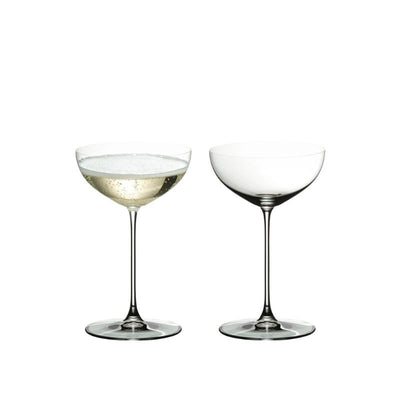
The shape of your wine glass determines how the wine is delivered to your palate. A proper Burgundy glass concentrates Pinot Noir's delicate aromatics where your nose can appreciate them. A Bordeaux glass directs fuller-bodied reds to the back of your tongue where you taste tannin and structure.
When you're pairing wine with cheese, you want the wine to perform at its best. Using the wrong glass is like using brilliant ingredients but cooking them badly.
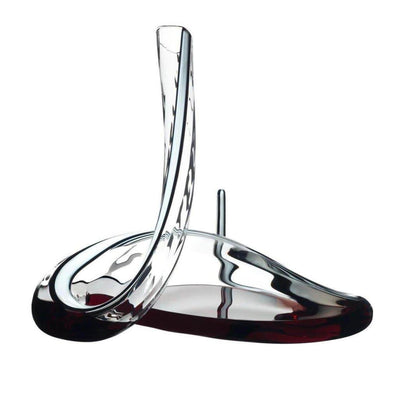
Riedel's varietal-specific glasses aren't about snobbery. They're about the physics of how liquid moves and how aromatics concentrate. When you've gone to the trouble of finding a good cheese and choosing an appropriate wine, serving it in a glass designed for that particular variety just makes sense.
Breaking the Rules (When You Should)
Everything above is useful guidance. None of it is law.
If you genuinely enjoy pairing that "shouldn't" work, you're not doing it wrong. You've discovered something that works for your palate.
Wine and cheese pairing isn't about impressing people or following rules because some expert said so. It's about making both the wine and the cheese taste better to you.
That said, the principles above exist because they generally work for most people most of the time. They're the accumulated wisdom of generations of trial and error. Useful starting points, not rigid commandments.
How to Actually Learn This
Reading about pairings is one thing. Tasting them is entirely different.
Here's what actually helps:
Start with one cheese, multiple wines. Get a good aged cheddar and try it with Cabernet Sauvignon, Pinot Noir, and Chardonnay. Notice what changes. Which pairing feels balanced? Which wine gets overwhelmed? Which makes the cheese taste better?
Visit a proper cheese shop. Talk to the people who spend their days thinking about cheese. Ask questions. In London, Neal's Yard Dairy at Borough Market is worth the trip (fair warning: you'll spend more than intended and possibly need transport assistance getting your purchases home). Specialist cheese shops employ people who know their stock intimately and can guide you toward interesting combinations.
Try regional pairings. French wines with French cheeses, Italian wines with Italian cheeses, Spanish wines with Spanish cheeses. These often work brilliantly because they evolved together.
Pay attention to what you actually like. Your palate is the ultimate judge. If an "incorrect" pairing tastes good to you, it's correct.

The Bigger Picture
Wine and cheese pairing isn't really about memorising which cheese goes with which wine.
It's about understanding why certain combinations work. Once you grasp the principles (match intensity, consider texture, balance flavours, think about what each element brings), you can approach any cheese and wine combination with some idea of what might work.
The science behind it (tannins binding to proteins, acidity cutting through fat, aromatics combining in interesting ways) explains why traditional pairings evolved. But the real learning happens when you taste these things yourself.
So carry on enjoying your cheese and sipping your wine. Just maybe do it with slightly more understanding of why it works so well.
So tonight, whether you're heading out for the full Valentine's experience or staying in with someone whose company you genuinely value, consider what happens after dinner. Post-dinner cheese and wine is where the evening gets properly relaxed. You're not being rushed by waitstaff. You can take your time, try different combinations, discover what you actually like.
And use a proper glass. You've bothered with good cheese and decent wine for tonight. Give yourself the full experience.


Leave a comment