



The Wine Glossary Nobody Asked For (But You'll Definitely Use)

Andi Healey
Web Manager

What wine writers are actually claiming when they reach for words like “minerality,” “structure” and “fine wine,” and which ones are doing real work versus filling silence. A to Z.
- Balance: nothing shouting over anything else
- Body: perceived weight, mostly from alcohol
- Complex: genuinely layered, or a cover for “can’t articulate it”
- Corked: TCA taint, not cork bits in the glass
- Crisp: fresh’s sharper cousin, mostly for whites
- Elegant: precision over power
- Fine wine: a market category, not a tasting note
- Fresh: lively acidity, not just “not old”
- Jammy: very ripe fruit, could be a style, could be a problem
- Legs: tells you the wine has alcohol in it, nothing about quality
- Long: how the finish lingers, not automatically a compliment
- Minerality: a real flavour, not proof of literal soil transfer
- Natural wine: a real idea, zero legal definition
- New World: a geography label doing a style description’s job
- Old Vines: almost never legally defined
- Old World: same geography problem, other direction
- Reserve: legally meaningful in Spain and Italy, meaningless almost everywhere else
- Structure: the tannin-and-acidity skeleton
- Vintage: just the harvest year, not “old and special”
Wine writing, far too often, has a language problem.
Someone swirls a glass, frowns thoughtfully, and announces the wine is “elegant, with real minerality and a long, structured finish,” and everyone else nods as though that meant something specific.
Half the time it does. Half the time the taster is filling silence with words borrowed from a wine magazine.
Here’s what these words are actually claiming, A to Z.
What Does “Balance” Mean?
A wine where acidity, tannin, alcohol, sweetness and fruit are in proportion, with nothing sticking out awkwardly.
It’s the most genuinely useful word on this list, but can also be the least exciting to actually taste, because a wine achieving balance usually does it through restraint rather than anything showy.
“Body”
The perceived weight of a wine in the mouth, driven mostly by alcohol, with glycerol and any residual sugar adding to it.
The standard shorthand compares light, medium and full-bodied wines to skimmed, semi-skimmed and full-fat milk, which is a genuinely useful comparison.
Body has nothing to do with quality. It’s texture, not merit.
“Complex”
Genuine complexity means you can identify several distinct aromas and flavours, and that they keep shifting as the wine opens up. That’s a real, describable quality.
The lazy version is what happens when a taster senses “a lot going on” but can’t name a single specific thing, so “complex” becomes the word that covers for not knowing.
Ask what the layers actually are. If the answer is vague, so was the tasting.
“Corked”
Frequently used to mean “there are bits of cork floating in my glass” or just “this wine tastes off.” Neither is correct. Corked specifically means a wine’s been contaminated with TCA, a compound that can develop in natural cork and gives wine a smell somewhere between wet cardboard and a damp basement.
It has nothing to do with cork fragments in your glass, that’s just an annoyance. And a wine can be corked at a level too low to consciously register as “wet cardboard,” and still taste subtly muted and dull.
“Crisp”
Fresh’s sharper-edged cousin, almost always applied to whites, describing a clean, acid-driven finish that snaps rather than lingers.
If someone calls a red crisp, they’re definitely just trying to remember stuff they've read elsewhere.
“Elegant”
Borrowed directly from fashion, and it shows.
In a wine, elegant means something reasonably specific: the wine achieves its effect through precision rather than power. Fine tannins rather than a mouthful of grip. Freshness rather than sheer ripeness. A wine can be elegant and still be intense, it’s just intense in a way that feels controlled rather than muscular.
It’s overused because it’s a safe compliment. If in doubt, ask what specifically felt precise about it. Often, nothing did.
“Fine Wine”
Not a taste descriptor at all, really. “Fine wine” is a market classification, wines with pedigree, ageing potential and a track record that gives them value on the resale market.
There’s a whole index, Liv-ex, that tracks this like a stock exchange. A wine can be genuinely excellent and not be “fine wine” in this sense, and a “fine wine” can, on a bad night, taste worse than something off the supermarket's bottom shelf.
“Fresh”
Shorthand for lively acidity and fruit that reads as youthful rather than tired.
The opposite of fresh isn’t “stale,” it’s flat, a wine that’s lost its zing.
“Jammy”
Very ripe, cooked-fruit character, typically from grapes picked at high sugar levels in warm climates.
It can be a genuine style choice, done well. It can also mean a wine that’s lost the plot on freshness and now tastes like fruit compote with alcohol in it.
Context, and who’s saying it, usually tells you which one you’re getting.
“Legs”
Those streaks that run down the inside of the glass after you swirl. Popularly treated as a quality signal: more legs, better wine.
They’re not.
Legs, or “tears,” are just the Marangoni effect: alcohol evaporates faster than water, which changes the surface tension and pulls liquid up the glass in a thin film that then runs back down.
It tells you the wine has alcohol in it.
That’s it.
Every wine you’ve ever swirled has legs. Some are just more visible than others.
“Long”
It’s about the finish, how long the flavour and aroma linger on the palate after you swallow, or spit.
Old-school sommeliers used to time it in “caudalies,” a unit that’s roughly one second of perceptible finish.
It correlates loosely with concentration and quality, but only loosely. A short finish can still be a lovely one. And a long finish that’s really just tannin drying your mouth out for a minute isn’t a compliment, whatever the "expert" implies.
“Minerality”
The usual explanation is that a wine grown on chalk tastes chalky, or one grown on slate tastes of wet stone, because the vine’s roots have pulled those minerals up into the grape.
It’s a nice story. But it’s not really how it works.
Geologists who’ve actually looked into this point out that the mineral ions a vine draws up through its roots are present in wine at concentrations thousands of times below anything a human palate could detect.
What you’re tasting when a wine reads as “flinty” or “chalky” is much more likely coming from somewhere else entirely: specific sulphur compounds from the winemaking process, high acidity reading as a stony sharpness, the absence of ripe fruit sweetness leaving other characters more exposed or just aroma compounds that remind the brain of other smells from your past ( See Why Does Wine Taste of Things That Aren't in It?)
The sensation is real. The soil-to-glass story explaining it is largely folklore.
That doesn’t make minerality meaningless as a tasting word. It just makes it a description of a flavour, not proof of where it came from.

“Natural Wine”
Unlike “organic,” which has certification bodies and legal standards behind it, “natural wine” has no universally recognised legal definition.
It’s a shorthand, generally meaning minimal intervention: native yeast fermentation rather than commercial cultured yeast, little or no added sulphur, unfiltered and unfined. Most natural wine is also made from organically or biodynamically farmed fruit, but that’s convention, not requirement.
Because nobody polices the term, it can mean a genuinely thoughtful, low-intervention wine made by someone who knows exactly what they’re doing, or it can mean a wine with a cloudy label aesthetic and a fault the maker decided to call a feature.
The category is real. The quality control isn’t.
“Old World”
Shorthand for wine from Europe’s traditional regions, France, Italy, Spain, Germany, and the assumptions that come bundled with it: tradition-bound, terroir-driven, restrained.
It’s an increasingly lazy category.
Plenty of Old World producers are making big, ripe, technically polished wines, and plenty of New World producers are making exactly the restrained, low-intervention wines the term is supposed to describe.
“New World”
Everywhere else: the US, Australia, New Zealand, South Africa, South America. Historically associated with riper fruit, more overt oak, and looser regulation than Europe’s appellation systems.
Same problem as Old World: a geography label doing the job a style description should be doing, and increasingly out of date with it.
“Old Vines”
Depends where you are, again.
In most of the world, “old vines,” or vieilles vignes on a French label, has no legal minimum age attached, so it’s whatever the producer decides counts as old. A handful of regions have tried to fix this, South Africa’s Old Vine Project, for instance, certifies vines 35 years and older.
Older vines do tend to produce lower yields of more concentrated fruit, so there’s a real reason the phrase is used to tempt you.
Whether the specific bottle in front of you actually qualifies is, in most cases, an honesty system.
“Reserve”
This is the one where the answer genuinely depends on where the bottle’s from, and it’s worth knowing.
In Rioja, and in Italy’s Riserva DOCG wines, “Reserve” is a regulated term with a minimum ageing requirement attached, in barrel and in bottle, before the wine’s allowed to carry the word.
It’s telling you something real, and legal.
In the US, Australia, and most of the rest of the world, “Reserve” means whatever the producer wants it to mean, because there’s no law governing it.
It can mean a genuinely special barrel selection. It can also mean someone liked the word and stuck it on a label to justify the price.
There’s no way to tell from the label alone which one you’re holding.
“Structure”
The architecture holding a wine together: mostly tannin and acidity, and how much of each there is relative to the fruit and alcohol.
A “structured” wine isn’t necessarily a big one. It’s one where you can feel the load-bearing walls doing their job.
“Vintage”
The year the grapes were harvested.
That’s it... the entire definition.
People use it to mean “old” or “special,” as in “is this a vintage wine?”, but every wine has a vintage, including the bottle you’re opening tonight.
What actually varies is whether that particular year’s growing conditions were good ones for that region, which is a completely separate question from whether the word “vintage” appears on the label at all.
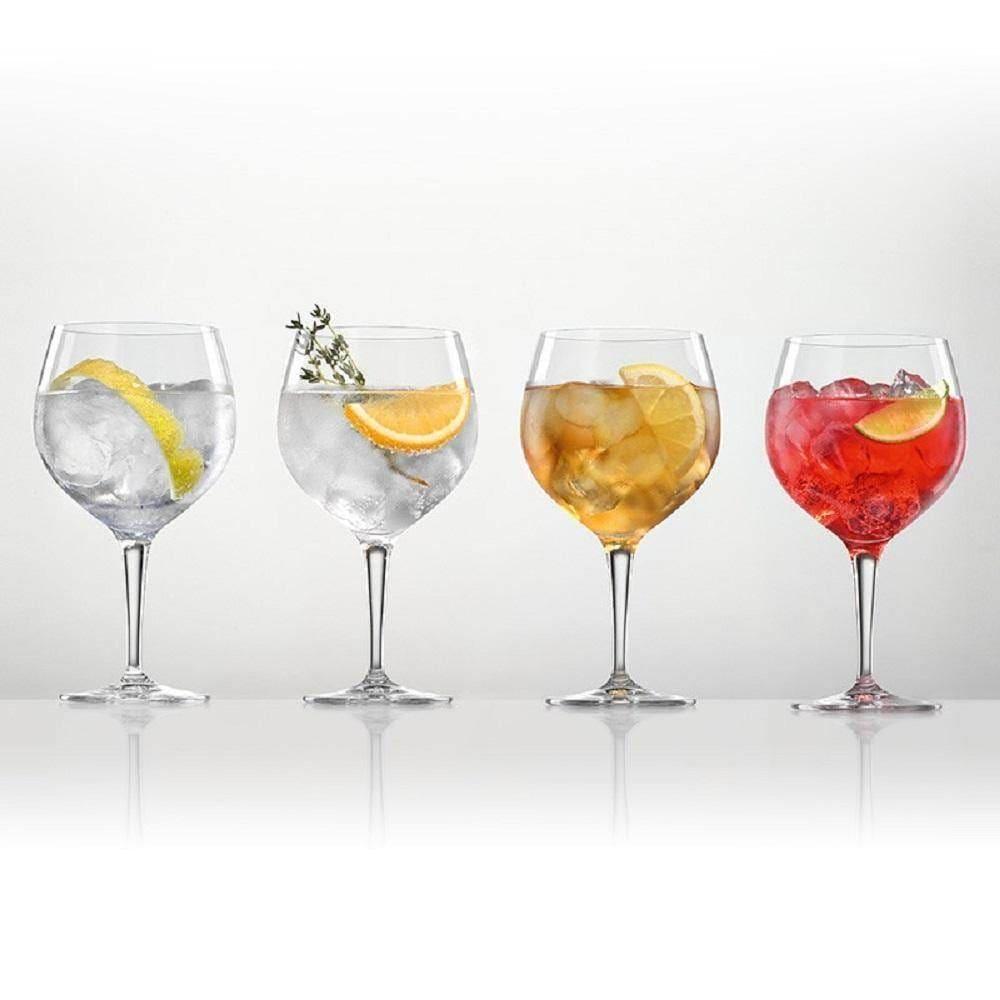
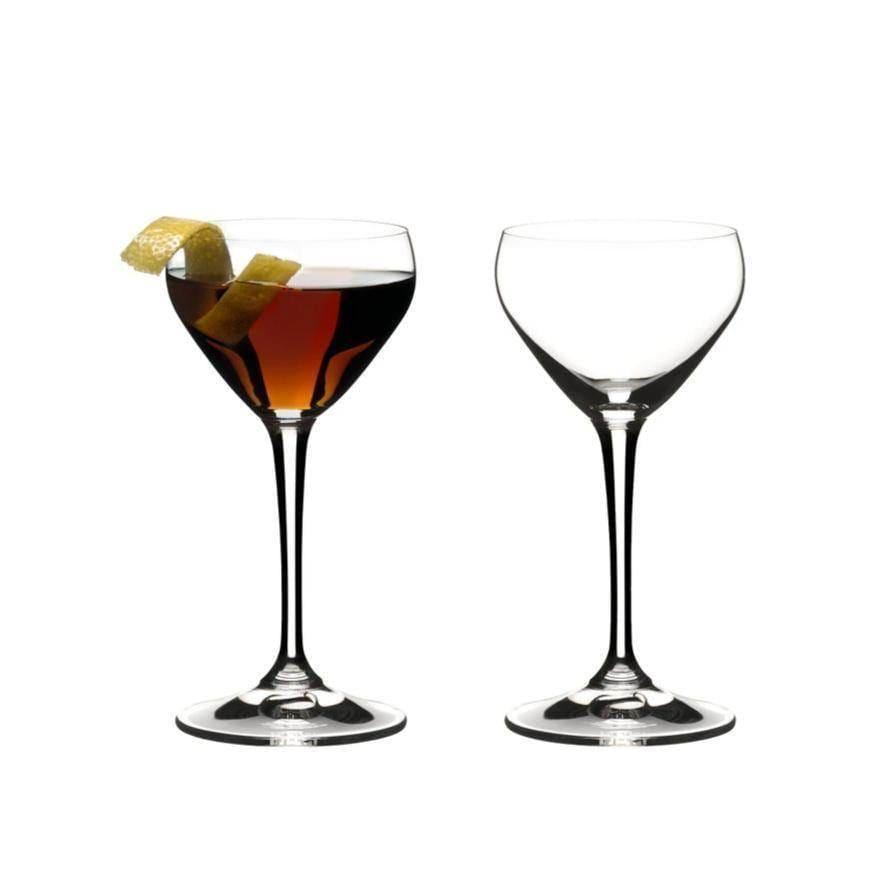
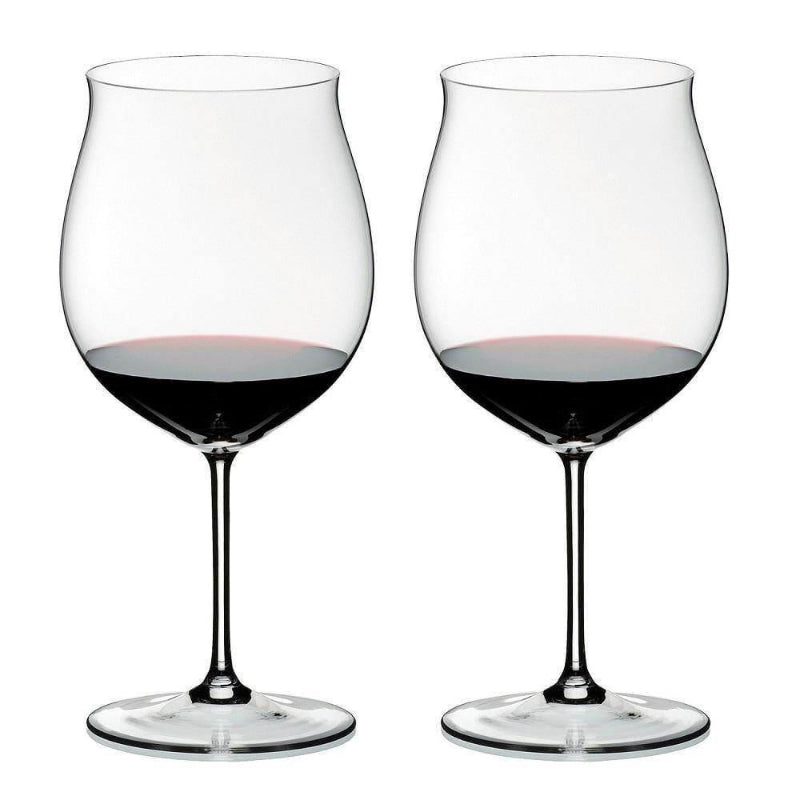
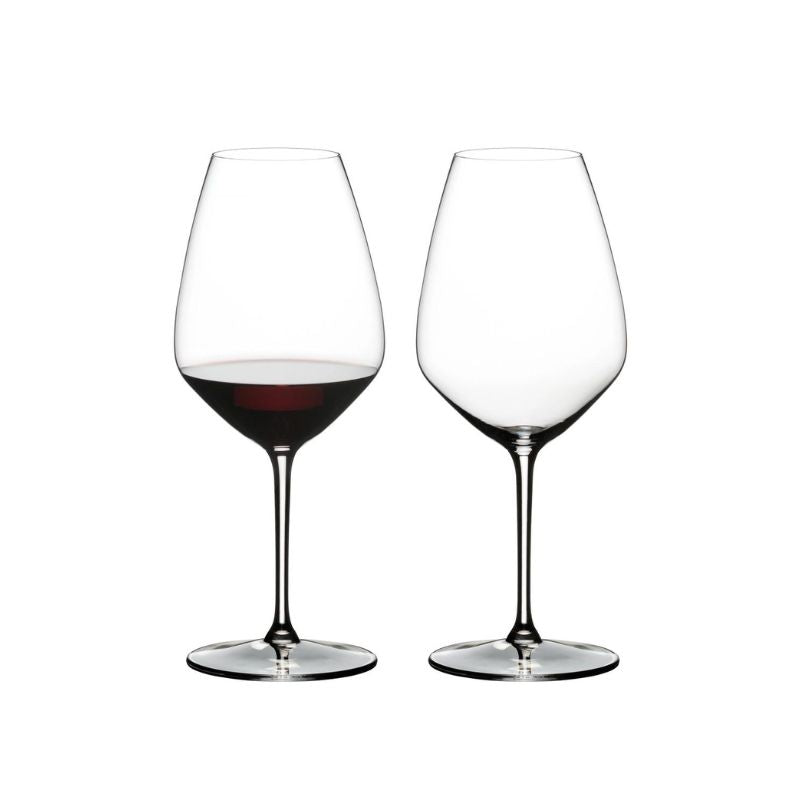
However you describe it, it tastes better from the right glass. Explore our full range of wine glasses.
Browse Wine Glasses


As always, loving your emails: keep it up!
Andi
Thank you for producing these informative notes. It’s like a wine primer reading through them at times!
Leave a comment