



The 10 Red Wines Every Type of Drinker Should Try

Andi Healey
Web Manager

Winter has definitely arrived this week: frost, icy windscreens in the morning and even a flurry or two of snow. The Sauvignon Blanc and rosé have been put away, and suddenly everyone is drinking red wine.
If red has never quite been your thing, that does not mean being teetotal until the spring. There is one for almost every kind of drinker, and finding yours is easier than you might think.

Red wine is not one drink, and the reason some people struggle with it is often tannin. That's the grippy, drying sensation on your gums, extracted mainly from grape skins, pips and sometimes oak. How much of it you enjoy (or endure) is a useful clue to which reds might suit you.
Three other things sit alongside it: acidity (the mouth-watering part), body (how heavy the wine feels) and fruit (fresh and red, or ripe and black). Every grape, and every wine made from it, offers a different combination of the four.
So instead of ranking grapes, this guide starts with you. Ten kinds of drinker, ten grapes that suit them, a style to look for, something to eat with it and a cheaper way in. No tasting-note poetry and no scores.
Already drink red? Then use this as a way out of your rut. Take whatever is in your glass most often and try its neighbour. Cabernet Sauvignon people might like Cabernet Franc, which is leafier and lighter. Malbec fans could try Syrah for the same weight with added pepper. If Pinot Noir is your default, Gamay is brighter and Nebbiolo is darker, and both are worth a go.
1. If you usually drink white: Gamay
Gamay is the easiest way across the colour line. It is pale ruby, low in tannin and bright in acidity, with crunchy red fruit: cherry, raspberry, a little cranberry. It is the grape of Beaujolais, just south of Burgundy. The most celebrated examples come from Beaujolais' ten crus, including Morgon, Fleurie and Moulin-à-Vent.
Give it half an hour in the fridge before serving, so it is cool rather than cold. Roast chicken, salmon, charcuterie and picnic food all suit it. For a cheaper route, Beaujolais-Villages is generally good value.
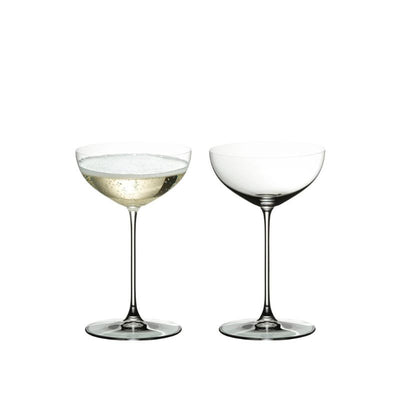
Gamay needs a nice large bowled glass (like these) to give it room to breathe.
2. If tannin puts you off: Merlot
Merlot has been sneered at for years for the crime of being easy to like. It is soft, round and plummy, with black cherry and a trace of chocolate, and its tannins are often considerably softer than, say, Cabernet Sauvignon's. It is the main grape on Bordeaux's Right Bank, in Pomerol and St-Émilion, where prices can be eye-watering.
The friendlier way in is Merlot-led Bordeaux from humbler appellations, or bottles from Chile and Washington State. Roast pork, mushroom pasta and a good burger are all happy with it.
3. If you want elegance over power: Pinot Noir
Pinot Noir grapes have relatively thin skins, which help explain its typically pale colour and gentle tannins. The wines are usually light to medium-bodied, with a silky texture. Think red cherry and strawberry when young, and mushroom and forest floor as it ages. Burgundy is the benchmark and priced accordingly.
For better value, look to Oregon's Willamette Valley, New Zealand's Central Otago, Germany (where it is called Spätburgunder) or a plain Bourgogne Rouge. Duck, salmon and anything with mushrooms are the classic partners. A short chill helps.
4. If your idea of a good dinner is a steak: Malbec
Malbec is dark, plummy and generous, with blackberry, violet and a hint of cocoa, and tannins that are firm but rarely harsh. It started out in Cahors in south-west France, but Argentina made it famous, particularly Mendoza, where high-altitude vineyards keep the acidity fresh.
Steak is the obvious match, and chorizo, burgers and anything off a barbecue work just as well. Argentine Malbec is some of the best-value red on the shelf. Try the original Cahors if you fancy something more rustic.
5. If you live on pasta and pizza: Sangiovese
Sangiovese is Tuscany's grape: sour cherry, dried herbs, a savoury leathery edge, high acidity and firm tannins. That acidity is the point. Tomato-based food makes low-acid wines taste flat, and Sangiovese has the sharpness to stand up to it.
Chianti Classico is the reliable choice, while Rosso di Montalcino offers a more approachable introduction to the Sangiovese wines of Montalcino, without the price tag of Brunello. Ragù, pizza, lasagne and hard Italian cheeses all suit it.
6. If you like spice and smoke: Syrah / Shiraz
Same grape, two personalities. Northern Rhône Syrah, from places like Crozes-Hermitage and Saint-Joseph, is peppery, savoury and restrained, with olive and smoked meat. Australian Shiraz, especially from Barossa, is riper and fuller, with blackberry, liquorice and chocolate. The pepper is really brain chemistry: a compound called rotundone, which is also found in black pepper.
Spiced lamb, sausages, ribs and slow-cooked stews all work. Crozes-Hermitage and Languedoc Syrah are the budget-friendly French routes.
7. If you have a sweet tooth: Zinfandel
Not the pink one. Californian Zinfandel is a big, ripe red, all blackberry jam, bramble and baking spice, with fruit so ripe it feels sweet even when the wine is dry.
The same grape grows in Puglia as Primitivo, which is often the cheaper way in. Pulled pork, sticky ribs, sausage pizza and barbecue sauce are its natural territory.
8. If you like savoury and herbal flavours: Cabernet Franc
Cabernet Franc is leafy and savoury: raspberry, blackcurrant leaf, pencil shavings, sometimes a green pepper note. It is medium in body with fresh acidity and moderate tannin. The Loire is its home, in Chinon, Bourgueil and Saumur-Champigny, and it also plays a supporting role in Bordeaux. It is one parent of Cabernet Sauvignon, crossed with Sauvignon Blanc.
Serve it slightly cool. Goat's cheese, grilled vegetables, roast chicken, pork and lentils suit it well, and Loire bottles tend to be good value.
9. If you want structure and power: Cabernet Sauvignon
Small, thick-skinned berries give Cabernet Sauvignon plenty of colour and tannin. Expect blackcurrant, cedar and pencil lead, and a wine that can age for decades. Bordeaux's Left Bank, Napa Valley and Coonawarra are the big names.
Fat and protein soften tannin, which is why rack of lamb, roast beef and hard cheese work so well. For a gentler price, try Chile, South Africa or Languedoc.
Shop Cabernet Sauvignon Glasses
10. If you are patient and curious: Nebbiolo
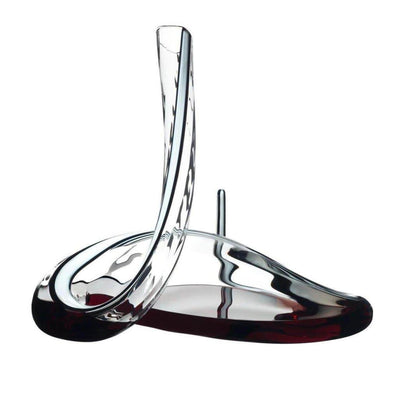
Nebbiolo is pale garnet in the glass and fierce in the mouth: high tannin, high acidity, and aromas of rose, cherry and tar. It is the grape of Barolo and Barbaresco in Piedmont, and its name is often traced to nebbia, the Italian for fog. It rewards patience, and it is probably the grape that gains most from decanting.
Mushroom risotto, braised beef, truffle and aged cheese suit it. Langhe Nebbiolo and Nebbiolo d'Alba offer the same character at a far kinder price.
Also worth a try: Tempranillo. Spain's great red grape, found in Rioja and Ribera del Duero, gives red and black fruit, often with vanilla from oak ageing. It is a dependable partner for roast lamb and Sunday dinners, and a Rioja crianza is an easy, affordable place to start.
Where to start
Start with whichever profile sounded most like you, and buy a cheaper bottle first. Somewhere in this list is the red that makes your day better.
It might take two or three bottles to find it, which is a hardship I am sure you will survive.
But, red wine is more forgiving than its reputation might suggest, and it's a long time until spring, when you can crack open the rosé again, without raising eyebrows.
Whichever red you pick, pour it properly. A glass with room to swirl lets a red wine open up and gives its aromas somewhere to gather.
Shop Riedel red wine glassesRed wine FAQs
What is tannin in red wine?
Tannin is a compound found in grape skins, pips and stems, and in oak barrels. It creates the dry, grippy feeling on your gums, which is more a texture than a flavour. Cabernet Sauvignon and Nebbiolo are high in tannin, while Gamay, Merlot and Pinot Noir are gentler.
Which red wine is best for white wine drinkers?
Gamay is the easiest step across, followed by Pinot Noir. Both are light in body, low in tannin and bright in acidity, with fresh red fruit. A short spell in the fridge before serving helps white wine drinkers feel at home.
Should red wine be served at room temperature?
That advice dates from colder, draughtier houses, and a modern heated room is often too warm. As a rough guide, lighter reds such as Gamay suit about 12 to 14°C, and fuller reds such as Cabernet Sauvignon suit about 16 to 18°C. Half an hour in the fridge brings a warm bottle of light red into range, and about 15 minutes does the job for a fuller one.
Does red wine need decanting?
All wine benefits from some air, and the amount varies. Young, tannic reds such as Cabernet Sauvignon and Nebbiolo gain the most, while lighter reds such as Gamay or Pinot Noir need less time. Decanting also separates older wines from any sediment.
What is the best glass for red wine?
A glass with a generous bowl is the best starting point. It gives you room to swirl, lets the wine meet plenty of air, and concentrates the aromas towards the rim. Fuller reds generally suit larger bowls, and lighter reds do well in slightly smaller ones.
Which red wine goes best with Christmas dinner?
Pinot Noir is the classic choice for turkey, and Gamay or Cabernet Franc also work well with roast poultry and the trimmings. For beef or lamb, Cabernet Sauvignon, Syrah or a Rioja made from Tempranillo have the structure to match.


Leave a comment