



Messi, Malbec and Mendoza: What's Really Happening in Argentinian Wine

Andi Healey
Web Manager

Most people's idea of Argentine wine is woefully out of date. Here's what's actually worth knowing.
Key takeaways
- Argentina produces around three-quarters of the world's Malbec, and the best of it now sits without apology next to Bordeaux and Napa.
- The cheap, jammy reputation comes from flat valley floor vineyards that flooded export markets in the 2000s. It is not where the good wine comes from.
- The good wine comes from the foothills, where Mendoza's best vineyards climb to 900, 1,000, sometimes 1,200 metres or more.
- Luján de Cuyo and the Uco Valley are the two regions worth knowing by name. Salta, further north, is the one almost nobody has heard of yet.
- Malbec is originally French. Argentina took a grape nobody had made famous and turned it into the most recognisable red wine in the New World.
- Three pairings, one for each of Argentina's three World Cup winning captains, Passarella, Maradona and Messi, take you well beyond "steak wine."
In this article
Messi, and the same old story about Argentine wine
Most people's idea of Argentine wine is woefully out of date. Cheap, jammy Malbec, three bottles for a tenner, on the bottom supermarket shelf where you go when you can't be bothered to choose properly. Think early 2000s, when a certain 18-year-old, Lionel Messi, was making his debut for La Albiceleste.
This week, Lionel Messi made a rather more emphatic point about still having what it takes than any winemaker ever could. Plenty assumed 2022 was the natural place for his story to end, lifted the trophy, walked off into the sunset, no need to push his luck at 38, in a sixth World Cup. Instead, on his 200th appearance for Argentina last Tuesday, he scored a hat-trick. Fifty-nine minutes was all it took to remind everyone exactly who, and what, he is.
Argentine wine has been trying to make the same point for the best part of two decades, with rather less fanfare.
The country produces around three-quarters of the world's Malbec, and the best of it now sits without apology next to Bordeaux and Napa. Not because Argentina got lucky, but because, like Messi, it found a way to do something nobody else could do (well, apart from Cristiano Ronaldo, maybe).
Why the cheap stuff gave Argentina a bad name
The supermarket reputation was not entirely undeserved. When Malbec exploded internationally in the 2000s, Argentina had the volume to flood every market that wanted it, and a lot of what got exported was planted on flat, fertile valley floors where the vines crop heavily and the resulting wine tastes exactly like what it is: cheap, soft, made to be sold rather than tasted. That wine still exists, and it is still three bottles for a tenner, and there is nothing actually wrong with it, but you do get what you pay for.
What changed is that winemakers worked out that the flat valley floor was never going to produce the good wine. The good wine was going to come from up in the foothills, at altitudes that should be unworkable for growing anything, where Mendoza's vineyards climb to 900, 1,000, sometimes 1,200 metres and more. Up there, brutal sun by day and really, really cold nights, even by Andean standards, do something the lowland sites cannot: they thicken the skins, deepen the colour, and crucially, keep the acidity that stops a wine collapsing into jam. The dry climate means almost no disease issues, so growers can leave the vines mostly alone. Snowmelt off the mountains does the irrigating that rainfall, which barely exists here, cannot.
The honest version of the Argentina wine story is not "isn't it lovely that they make wine in the mountains." It is that altitude is the only thing separating a wonderful bottle from a forgettable one, and most people buying Argentine wine still have no idea what to look for.
Worth knowing: A Malbec that says Luján de Cuyo or Uco Valley on the label, rather than just Mendoza, is telling you something good. A Malbec that gives you an altitude figure is telling you even more.
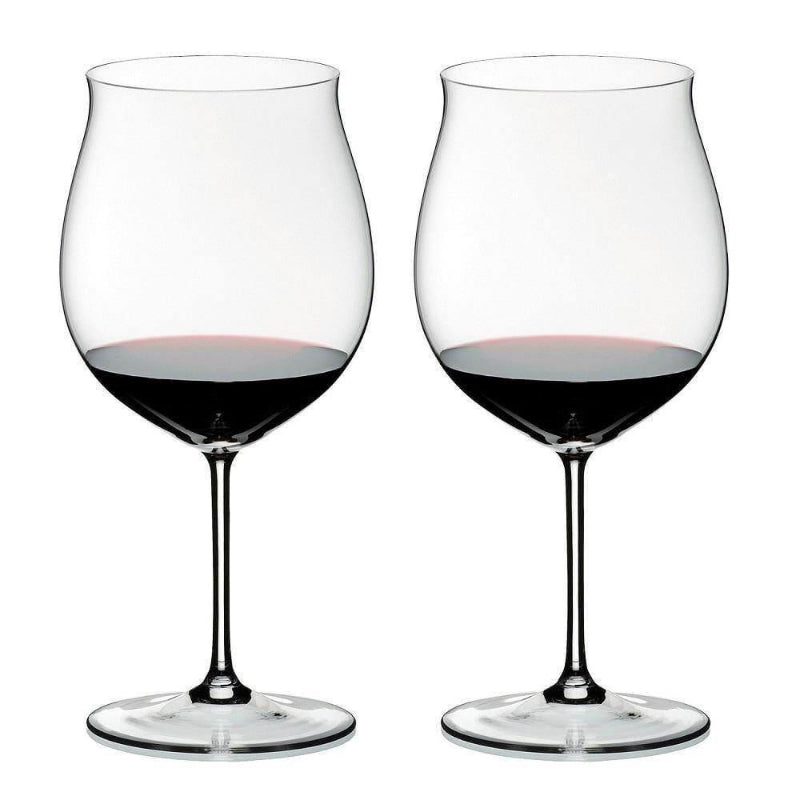
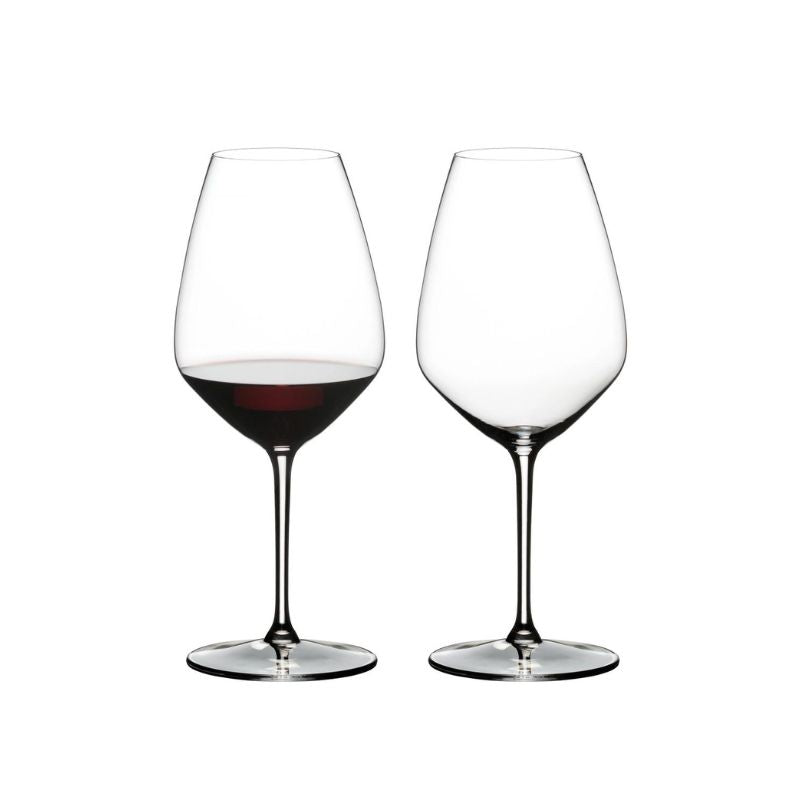
Whatever the label tells you, your Malbec needs a large, Bordeaux glass to do it justice.
If You Learn Three Argentine Regions, Make It These Three

Argentina's key wine regions, from Mendoza's foothills to Salta in the far north.
Luján de Cuyo is where serious Argentine Malbec started, and it still makes some of the best: dense, dark-fruited wine with a dusty, graphite edge that a lot of New World reds simply do not have.
Within the region, Agrelo and Vistalba in particular are worth remembering if you see them on a label.
The Uco Valley is where the most exciting wine is being made now. It sits higher than Luján de Cuyo, the nights are colder, and the wines show it: more lift, more freshness, longer ageing potential. International producers have piled in here over the last decade for very good reason.
If you want to know whether Argentina can do elegant rather than just powerful, this is where you find out, and the 2023 and 2024 vintages are genuinely worth seeking out.
Salta, in the far north, is the one most people have never heard of, growing at altitudes that make Mendoza look like the South Downs.
The wines are intensely aromatic in a way that is hard to mistake for anywhere else, and it is currently one of the more interesting places in Argentine wine, precisely because so few people know about it.

A French reject that found a second home
Malbec is not Argentine by birth. It is French, and its old home, Cahors in the southwest, still makes serious examples that almost nobody outside the trade has heard of. France grew Malbec for centuries and never made it famous. Argentina took the same grape, planted it somewhere it had never grown before, and within two generations turned it into the most recognisable red wine in the New World. That is not a small achievement, and it is the kind of thing that should embarrass the French slightly, though nobody there would ever admit it.
The range now on offer is genuinely wide: cheap and cheerful bottles built to be opened the night you buy them, sitting right next to structured, hand-harvested wines built to outlast the decade. Both are very worthwhile. The mistake is assuming the whole category sits at the cheap end, which is precisely where most people's knowledge of Argentine wine stops.
Whilst Malbec gets all the attention, it is worth knowing that Argentina has a capable supporting cast. Bonarda is the country's second most planted grape, and almost nobody outside Argentina has heard of it, which is its own kind of injustice. It is softer and juicier than Malbec, with a lighter tannin structure, and makes an easy, approachable red for whoever at the table finds Malbec a bit much.
Cabernet Sauvignon and Syrah both do well at altitude too, picking up the same concentration and structure that Malbec gets from the Andes foothills, and are worth seeking out from the same producers doing serious work in Luján de Cuyo and the Uco Valley.
On the white side, Torrontés is the one to know. It is Argentina's signature white grape, grown almost nowhere else on earth, and it works best in Salta's Cafayate Valley, at altitudes of 2,000 metres. The result is intensely aromatic: rose petal, white peach, jasmine, with a dry, crisp finish that surprises people expecting something sweeter from a nose that floral.
If your only experience of Argentine wine is red, a good Torrontés is the easiest way to see there is more going on than Malbec alone.

What to put on the plate and in the glass
Malbec and red meat is the obvious pairing, and Argentina's asado culture, built entirely around slow-grilled beef, is the reason the match works so well: ripe dark fruit, firm tannin and a savoury, slightly smoky edge in the better bottles, built for exactly this kind of food.
But stopping at "steak wine" undersells it, and, as Argentina has won the World Cup three times, lets look at the top three alternatives.
| Year | Captain and pairing |
|---|---|
| 1978 | Daniel Passarella. Argentina's first World Cup winning captain and still considered one of the finest defenders the game has produced, scoring an extraordinary 134 goals over his career. That is a centre-back doing a centre-forward's job without ever neglecting his own, which is exactly the kind of double duty a proper Luján de Cuyo Malbec performs at the table: dense, dusty and built to anchor a Sunday roast or a beef stew, while still showing enough elegance not to bully anything delicate. Pour it for a roast when your wine needs to feel substantial without becoming heavy. |
| 1986 | Diego Maradona. No footballer in history has divided opinion quite like Maradona, largely thanks to one particular use of his hand against England in the 1986 World Cup. With that in mind, and entirely in the spirit of using your hands, this is the pairing for empanadas: hot, hand-held, a little bit tricky to eat properly without fumbling it everywhere (a bit like Peter Shilton for Maradona's second goal). A fresher, cooler-climate Uco Valley Malbec works best here, with the acidity to cut through the pastry and the fruit to stand up to a spiced beef or chorizo filling. |
| 2022 | Lionel Messi. The most recent captain to lift the trophy, and arguably the most complete: the dribbling of Maradona without the same talent for controversy. Consistency to go with the brilliance. That all-round quality calls for Argentine Cabernet Franc, grown on the same high-altitude sites as the best Malbec, with a herbal lift that suits lamb and anything built around rosemary or thyme. It is a wine that does not need to shout to be taken seriously, much like the wee man himself. |
Beyond the three captains, there are a few more combinations worth knowing.
Provoleta, the grilled provolone cheese that often opens an asado whilst the meat is cooking, wants something with enough acidity to cut through all that melted cheese, which makes a fresher Uco Valley Malbec a better match than the denser Luján de Cuyo style. The char on the cheese and the char on the wine's oak tend to get on well together.
Chimichurri, the parsley and garlic sauce that turns up on practically everything at an Argentine table, is sharper and more acidic than most people expect, and it can make a soft, low-acid Malbec taste flabby. A Malbec with proper structure, the kind grown at altitude, holds its own against it instead of disappearing.
Dulce de leche, in any of its many forms, is the obvious dessert pairing, and a surprisingly good one. Argentina also produces small amounts of sweet, late-harvest Malbec and Torrontés, both worth seeking out if you want something sweet enough to sit alongside the caramel without being overwhelmed by it.

Raise a Glass to That
Twenty years ago Argentina was the country that sold us cheap Malbec. Today it produces some of the most exciting wines in the world.
Not bad for a French grape that nobody wanted and a football nation that somehow keeps producing geniuses.
So while the tournament plays out, do it properly.
Find a bottle from Luján de Cuyo or the Uco Valley, with an altitude of over 1,000 metres on the label, get something good on the bbq, and pour generously.
Salud, and ¡Vamos Argentina!
Frequently asked questions
Why does Argentine Malbec have a reputation for being cheap?
When Malbec exploded in popularity internationally during the 2000s, Argentina had the volume to flood every market that wanted it. A lot of that exported wine was grown on flat, fertile valley floors where vines crop heavily, producing soft, simple wine made to be sold cheaply rather than savoured. That wine still exists and still has its place, but it created a lasting impression that does not reflect what the best Argentine producers are doing today.
Why does altitude matter so much for Argentine wine?
Mendoza's best vineyards sit at 900 to 1,200 metres or higher in the foothills of the Andes. At that altitude, intense daytime sun combined with very cold nights thickens grape skins, deepens colour, and preserves the acidity that stops a wine tasting flat or jammy. The dry climate also means minimal disease pressure, while snowmelt from the mountains provides irrigation in a region that receives very little rainfall.
What is the difference between Luján de Cuyo and Uco Valley Malbec?
Luján de Cuyo is the historic heart of Argentine Malbec, producing dense, dark-fruited wine with a distinctive dusty, graphite character. The Uco Valley sits at higher altitude with colder nights, producing wines with more freshness, lift and longer ageing potential. Both are genuine quality indicators on a label, in contrast to a wine simply marked Mendoza.
Is Malbec originally from Argentina?
No, Malbec originated in France, where it is still grown in Cahors in the southwest. France grew the grape for centuries without it achieving international recognition. Argentina planted it in a new environment and, within two generations, turned it into the most recognisable red wine variety in the New World.
What food pairs well with Argentine Malbec?
Malbec's natural partner is red meat, particularly slow-grilled beef in the style of Argentina's asado tradition. A denser Luján de Cuyo Malbec suits roasts, stews and dishes involving mushrooms, while a fresher Uco Valley Malbec works well with empanadas, roasted vegetables and tomato-based dishes. Argentine Cabernet Franc, grown on similar high-altitude sites, pairs naturally with lamb and herb-led dishes.
What glass should I use for Malbec?
Malbec shares its glass shape with Bordeaux varietals. A Bordeaux-style glass, with its large bowl and tapered rim, is built to soften firm tannin and let dark fruit aromatics develop, which makes it the right choice for both Luján de Cuyo and Uco Valley Malbec. If you already own a Bordeaux glass for Cabernet Sauvignon or Merlot, it will serve your Malbec just as well.


Leave a comment