



Grouse Season Opens Wednesday. Prosecco Day Is Thursday. Here's How To Cope.

Andi Healey
Web Manager

Wednesday is a big day if you own tweed.
This Wednesday, 12th August is the Glorious Twelfth, the day grouse shooting opens across the UK. I'm not the tweed type myself, so my interest in the Twelfth starts and ends with what lands on the table afterwards, not what happens on the moor beforehand.
What makes the date even better is what happens the day after. Thursday 13th August is National Prosecco Day.
Two occasions, back to back, and on paper they don't belong anywhere near each other: grouse wants dark tannin and heavy weight, Prosecco wants sweetness and light.
Treated as two separate occasions rather than one dinner, the week can work.
Key Takeaways
- Grouse season opens on the Glorious Twelfth (12 August) under the Game Act of 1831. Red grouse can only be shot on heather moorland, which is part of why the meat tastes the way it does
- Grouse and partridge want reds with enough tannin and acid to hold their own, but not so much that it clashes with the meat's iron-rich, gamey character. A northern Rhône Syrah or mature Burgundy suits grouse; a softer Burgundy or Chianti suits partridge
- Pheasant carries more fat and a bolder flavour, so Chianti or Montepulciano d'Abruzzo, both medium to full-bodied, are the standard match
- Prosecco doesn't have the weight for a roast bird. If you insist, pour it earlier in the meal: canapés, a game terrine, or a lighter bird like quail
- The glass changes what you taste. A wide balloon bowl suits Burgundy, a tulip-shaped bowl suits Chianti, and Prosecco does better in a wider, diamond-shaped glass than a flute
- Decanting works in different ways: young, powerful reds want vigorous aeration, mature reds want a slow, gentle pour
What Grouse Needs
The Glorious Twelfth dates back to the Game Act of 1831, which set the shooting calendar still in use today. Red grouse can only be shot between 12 August and 10 December, and only on heather moorland, since the bird won't survive anywhere else. That link to a single habitat is part of why grouse tastes the way it does: young heather shoots give the meat a mineral, slightly resinous character that's different from any other game bird on the table.
Grouse is the most "in yer face" of the British game birds: dark, iron-rich meat with that heathery edge. It needs a red with enough tannin and acid to hold its own rather than getting flattened by the bird's flavour. The standard match is a northern Rhône Syrah, a powerful Cornas or Crozes-Hermitage, or a mature red Burgundy with some bottle age. If the bird has been hung for the traditional week to ten days, go for something with more oomph. A younger bird, cooked within days of the shoot, can take a lighter Pinot Noir instead.
There's a reason heavy tannin and gamey meat clash rather than complement each other: the iron in dark, well-hung meat reacts with tannin and tastes as a metallic, bitter edge on the palate, the same reaction that makes a very tannic red taste harsh against liver. Moderate tannin, not maximum tannin, is the ideal for pretty much every game bird.
Alternatives to Grouse. Partridge, Pheasant, Wild Duck and Woodcock
Partridge is the gentlest of the game birds: sweet, only mildly gamey, easy to overpower. An elegant red Burgundy with soft tannins keeps the delicacy intact. Chianti works too; its acidity tastes savoury rather than sweet against roast partridge.
Pheasant carries more fat and a bolder flavour, so it can take a fuller wine. Chianti or Montepulciano d'Abruzzo, both medium to full-bodied with red berry fruit, are the standard match.
Wild duck and woodcock follow slightly different rules. Wild duck's fat and rich sauces want Pinot Noir or a young Burgundy; the acidity cuts through the fat rather than sitting alongside it. Woodcock is more delicate and usually cooked with less hanging time, so it takes the same lighter, more supple reds as a young grouse or pheasant rather than anything with heavy tannin.
The trimmings shift the balance as much as the bird does. Bread sauce is rich and starchy and mutes tannin, needing a fruitier wine than the meat alone would. Game chips (thin slices of deep fried potato, like fresh made crisps) add salt and crunch, which a wine with good acidity handles better than a soft, low-acid one. Redcurrant or rowan jelly brings sweetness to the plate, and a fruit-forward wine, a Chianti or a young Pinot Noir, works with that better than something dry and austere. Take the trimmings into account, not just the bird, before deciding on the bottle.
Where Prosecco Fits
Prosecco doesn't have the weight to sit next to a roast grouse or pheasant. Its acid and fruit will taste thin against meat that's this dense and dark. Give it a job earlier in the meal instead: canapés, a game terrine or pâté, or a lighter bird like quail. Prosecco's apple and pear notes sit well against the richness of a terrine without fighting with the meat itself.
For something slightly adventurous, Prosecco Rosé DOC is worth trying with pigeon or rabbit. It's a category only created in 2020: Glera blended with at least 10% Pinot Nero, always vintage-dated. The contrast between the wine's freshness and the meat's richness is deliberate rather than accidental, and it's worth one trial dinner if you're willing to experiment.
Don't Forget The Glass and Decanter
Riedel's varietal-specific shapes are created for a practical reason: how the wine reaches your palate and how much aroma reaches your nose before you drink.
For grouse's Rhône Syrah, reach for the huge Syrah/Shiraz glass. For a mature Burgundy, the Vinum Pinot Noir/Burgundy glass, with its wide balloon bowl, is built for wines that lead with scent rather than power. For partridge and pheasant's Chianti, the Riesling/Zinfandel glass is the one to go for. Its tall bowl directs the wine to the centre of the tongue, balancing fruit against acid so the tannins don't taste bitter.
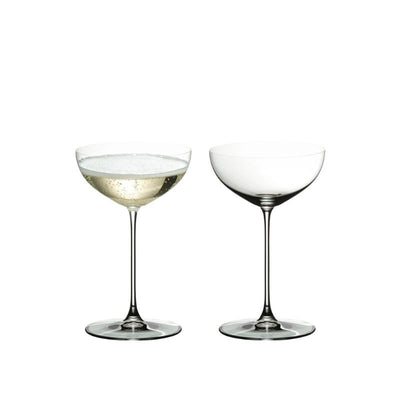
For Prosecco, skip the flute. A flute holds bubbles longer, useful if that's your only priority, but its narrow bowl traps the aroma. A wider, diamond-shaped glass, like the Champagne Wine Glass, lets the apple and pear notes reach you before the first sip. You lose a little fizz longevity and gain most of the reason to drink Prosecco in the first place.
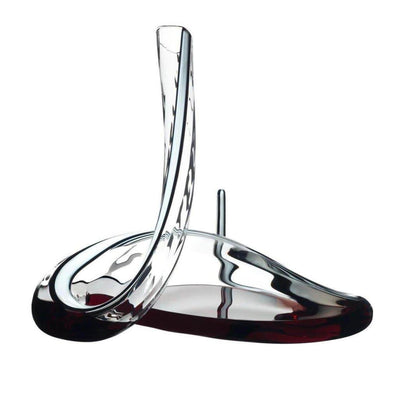
The decanter matters too, and for different reasons. A young, powerful Rhône syrah benefits from a decanter built for vigorous aeration, such as the Riedel Decanter Boa or Mamba, which forces the wine through the shape as you pour and roughs it up on purpose.
A mature Burgundy needs the opposite treatment: a decanter with a shoulder, like the Riedel Decanter Mosel, where sediment is trapped as the wine is poured slowly and gently down the side, so it opens up without losing what bottle age has already given it.


Riedel Veritas Champagne Wine Glasses - 270 Anniversary Pair
25%
Buy NowServing Temperature and Timing
Serve the reds a little below room temperature, around 16 to 18°C. Game's richness can feel heavy if the wine's warm. Decant a mature Burgundy for 30 minutes before serving; a young, powerful Rhône Syrah can take closer to an hour to open up properly.
Keep the Prosecco properly cold at 6 to 8°C, straight from the fridge and into an ice bucket, rather than leaving it sitting out.
A personal note: I've never shot anything and don't plan to start. But I've sat at enough game dinners to know the wine gets more attention than it usually deserves, and that most of the disappointing bottles at those dinners were disappointing because they were chosen for the label rather than the bird (or the sides).
Treat the Glorious Twelfth and Prosecco Day as what they are: two different occasions that happen to land in the same week. Pour the Prosecco on its own night, with something that suits it. Save the reds for whenever the grouse or pheasant is actually ready to cook, which for a freshly shot bird is rarely the same week anyway.
Somewhere on a heather moor on Wednesday, a very good dog will do considerably more work than I will all week, and will have earned his reward far more than me.
He gets a biscuit. I get the Rhône Syrah. He will have had a better day than me, but I definitely prefer my treat.
Thursday needs no dog at all (unless he's curled up while you tickle his ear): just a cold bottle, a wide glass, and the good sense not to serve it anywhere near a roast bird.
Cheers!
Frequently Asked Questions
Can you actually pair Prosecco with game birds?
Not with a roast grouse or pheasant straight, no: Prosecco is too light for meat that dense. It works earlier in the meal, alongside canapés, a game terrine or pâté, or a lighter bird like quail. Prosecco Rosé DOC is worth trying against pigeon or rabbit as a genuine contrast pairing.
What's the best wine to serve with grouse?
A northern Rhône Syrah (Cornas or Crozes-Hermitage) or a mature red Burgundy. Both have enough tannin and acid to stand up to grouse's dark, iron-rich meat without a clash. A younger, less-hung bird can take a lighter Pinot Noir instead.
Do I really need a different glass for each wine?
The shape of the bowl changes where the wine lands on the tongue and how much aroma reaches your nose before you drink. A wide balloon bowl suits Burgundy, a tall trumpet-shaped bowl suits Chianti, and a wider, diamond-shaped glass suits Prosecco better than a flute. You'll taste the difference most with wines that lead with scent, like a mature Burgundy or a good Prosecco.
Should I decant wine for a game dinner?
Yes, but differently depending on the wine's age. A young, powerful red benefits from vigorous aeration in a decanter designed for it. A mature red needs the opposite: a slow, gentle pour into a decanter with a shoulder, so sediment stays behind and the wine isn't stripped of what bottle age has given it.
Give your game dinner the right glass
From grouse to Prosecco, the right bowl shape changes what actually reaches your nose.
Explore Red Wine Glass CollectionsAbout the Author
Andi Healey is the Web Manager at The Riedel Shop with over ten years of experience helping customers understand wine and glassware. Based in Surrey, Andi combines practical retail experience with a genuine enthusiasm for wine culture and the food science behind why certain combinations work.


Leave a comment