



English Wine and English Cheese: Pairings Worth Celebrating.

Andi Healey
Web Manager

Saturday (today) is National Wine & Cheese Day here in the UK.
Most of the recommendations you'll see will default to the same handful of pairings: Champagne and Langres, Cabernet and Comté, Port and Roquefort. All excellent. All French, or at least half-French.
Here's a different way to spend the day.
As I'm sure you know, England now makes wine good enough to challenge the best around, and English cheesemakers have spent years quietly producing some of the best cheese in Europe. Put the two together and you get pairings that hold their own against anything from across the Channel.
Key Takeaways
- English traditional-method sparkling wine has the acidity and structure to pair with soft, bloomy-rind cheeses just as convincingly as Champagne
- Bacchus, England's own aromatic grape, was built for exactly this: goat's cheese and washed-rind cheeses love its citrus and hedgerow character
- English still Pinot Noir has come on hugely in Kent and Sussex, and works with hard, nutty cheeses the same way Burgundy does
- The same tannin-and-fat chemistry applies whether the wine is from Reims or Rathfinny. Geography changes the flavours, not the principle
- Glassware still matters. A wine grown twenty minutes from where you live deserves the same care in the glass as anything imported
Why This Isn't a Patriotic Gimmick
English wine had a reputation problem for a long time, and not always unfairly. That stopped being true some time ago, and the reason is straightforward: the chalk soils running through Kent, Sussex and Hampshire are the same seam that runs under Champagne. Add a couple of decades of warmer growing seasons and serious investment in traditional-method production, and you end up with sparkling wine that regularly beats Champagne in blind tastings.
English cheese has had its own quiet renaissance. A generation of small producers, many of them working from single farms with their own herds, have gone back to raw milk, proper affinage and traditional recipes instead of mass-produced blocks. The result is a cheese counter that can compete with any in Europe.
Put good English wine next to good English cheese and the same science from any other pairing applies: tannins looking for protein, acidity cutting through fat, sweetness balancing salt. The chemistry doesn't care which country grew the grapes.
Six Pairings Worth Trying
English Traditional-Method Sparkling and Baron Bigod
Why it works: Baron Bigod, made by Fen Farm Dairy in Suffolk, is the only large-format raw-milk (unpasteurised) Brie-style cheese produced in the UK, and it's genuinely excellent: buttery, mushroomy, with a citrus lift. English sparkling from Kent or Sussex brings the same high acidity as Champagne, grown from the same chalk. The bubbles scrub the palate clean between mouthfuls, and the wine's brioche and orchard-fruit notes sit comfortably alongside the cheese's earthiness.
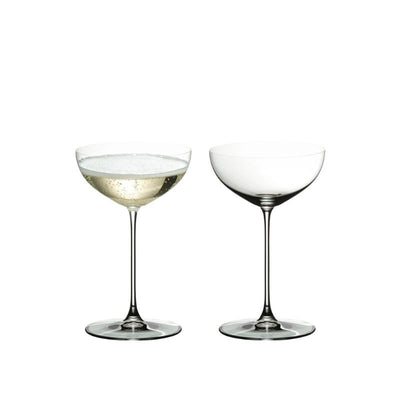
Glass tip: A proper English Sparkling Wine or tulip glass concentrates the aromatics rather than letting them dissipate.
Bacchus and English Goat's Cheese
Why it works: Bacchus, whilst of German origin, is England's own signature white grape: citrus, elderflower and hedgerow, with a grassy freshness not far removed from Sauvignon Blanc. Set it against a soft English goat's cheese from Sussex or Kent and the pairing works for exactly the same reason Sancerre and chèvre do. The wine's bright acidity lifts the cheese's tang instead of fighting it.
Also try: A washed-rind English cheese if you want something with more funk. Bacchus has enough character to hold its own.
English Still Pinot Noir and Tunworth
Why it works: Still Pinot Noir from Kent and Sussex has improved dramatically over the last decade, with the same earthy, red-fruit character you'd look for in a light Burgundy. Tunworth, made by the Hampshire Cheese Company, is a Camembert-style cheese that regularly wins over French judges in blind tastings. The wine's soft tannins and gentle acidity match the cheese's mushroomy richness without overwhelming it.
Glass tip: A Burgundy-style bowl, wide enough to let those delicate aromatics open up, does this wine far more justice than a standard all-purpose glass.

English Sparkling Rosé and Cornish Yarg
Why it works: Cornish Yarg, wrapped in nettle leaves, has a fresh, slightly tangy character under its edible rind. English sparkling rosé brings red-berry fruit and a touch more weight than a blanc de blancs, which stands up nicely to the cheese without overpowering its delicacy. It's a lighter, more playful pairing for the middle of a long summer afternoon.
English Oaked Chardonnay and Mature English Cheddar
Why it works: A handful of English producers now make still Chardonnay with real weight and a touch of oak. Pair it with an unpasteurised, farmhouse Cheddar such as Westcombe or Keen's, both made in Somerset using traditional cloth-binding, and the wine's roundness and gentle toast complement the cheese's nutty depth rather than being flattened by it.
Be careful: The sharper and more crumbly the Cheddar, the more you want acidity in the wine, not just body. Taste before you commit to a bottle if you can.
English Sparkling (again!) and Colston Bassett Stilton
Why it works: This is the English answer to Port and Stilton, and it's a genuinely good one. A well-aged English traditional-method sparkling has enough body and a touch of residual sweetness in its off-dry expressions to balance Colston Bassett's salty punch, while the bubbles refresh the palate in a way still wine can't. It won't replace Port for everyone, but it's a lighter, more versatile way to finish a cheeseboard.
The Glassware Bit
Everything that applies to imported wine applies here too. The shape of the glass changes how the wine is delivered to your palate, full stop. It doesn't become less relevant because the bottle was grown in Kent instead of Champagne or Burgundy.
If you've gone to the trouble of tracking down a proper English Bacchus or a serious traditional-method sparkling, pour it into a glass built for that style of wine. A varietal-specific glass won't make an average bottle taste incredible, but it will let it show you everything it's got.
Where to Start
You don't need to hunt down every producer named above in one trip. Pick one wine and one cheese, taste them together, and pay attention to what changes. Then try the same wine with a different cheese from the list. That's how you learn what you actually like, rather than what a list tells you to like.
A good independent cheesemonger or a specialist wine merchant will usually stock at least a few of these. Ask what's English on the shelf. Most places have more than they let on, because it still isn't the first thing customers ask for.
There's no obligation to finish the whole board in one sitting, though plenty of us have tried and few have regretted it.
Consider this your official permission to spend Saturday afternoon eating cheese and calling it research!
Frequently Asked Questions
Is English wine actually as good as people say, or is this just goodwill?
The traditional-method sparkling wines have won blind tastings against Champagne on multiple occasions over the past fifteen years, so this isn't goodwill, it's chalk soil and cool-climate acidity doing what they do well. Still wines are more variable, but the best examples now stand comparison with entry-level Burgundy and Loire whites.
What is Bacchus, and why haven't I heard of it?
Bacchus is a German-bred grape variety that has found its best expression in England, producing aromatic whites with citrus, elderflower and hedgerow notes. It's grown almost exclusively in England and a handful of other cool-climate regions, which is why it hasn't had the international marketing push that Sauvignon Blanc or Riesling have had.
Do I need different glasses for English wine than for French or Italian wine?
No. Glass shape follows grape variety and wine style, not country of origin. English Bacchus wants the same kind of glass as a Sauvignon Blanc or Riesling. English traditional-method sparkling wants the same glass as Champagne or Cava made in the same style.
Where can I actually buy these cheeses?
Neal's Yard Dairy and most well-stocked independent cheesemongers carry Baron Bigod, Tunworth and Cornish Yarg. Farmhouse cheddars like Westcombe and Keen's turn up more widely, including in some larger supermarkets' specialist counters.
Give English wine the glass it deserves
Riedel's varietal-specific glasses aren't just for imported bottles. If the wine's good, the glass should match it.
Explore Wine Glass CollectionsAbout the Author
Andi Healey is the Web Manager at The Riedel Shop with over ten years of experience helping customers understand wine and glassware. Based in Surrey, Andi combines practical retail experience with a genuine enthusiasm for wine culture and the food science behind why certain combinations work.


Leave a comment