




Albariño: The Grape That Deserves More Than One Day a Year

Andi Healey
Web Manager
 1st August is a crowded date this year.
It's Yorkshire Day, which means a Yorkshireman somewhere is explaining the boundary changes of 1974 to anyone who'll stand still long enough to listen.
It's also Albariño Day, which gets considerably less attention but deserves quite a lot more.
I'll leave the Yorkshire pudding and county pride to people better qualified, or inclined, to talk about it (this is a Lancashire lad writing, so you'll forgive a certain lack of enthusiasm for the old rival).
What we can do is make the case for Albariño: a grape that's spent the last decade quietly becoming one of the most food-friendly whites you can put on a table, without ever quite breaking into the mainstream the way Sauvignon Blanc or Pinot Grigio did.
Key Takeaways
- Albariño comes almost entirely from Rías Baixas in Galicia, Spain, where it makes up around 96% of all plantings. Cross the border into Portugal and it's Alvarinho, the same grape but genuinely different in style
- Alvarinho from Monção e Melgaço, in the far north of Vinho Verde, grows on granite at higher altitude with a more continental climate than Rías Baixas, giving it more texture, body and ageing potential than most Spanish Albariño
- Expect high acidity, citrus and stone fruit, and a distinctive saline, sea-breeze minerality that comes from its Atlantic-coast vineyards
- It's built for seafood: shellfish, octopus, ceviche and grilled fish are the classic pairings, but it also handles Asian dishes with mild heat surprisingly well
- Compared to Sauvignon Blanc, it's less aggressively herbal and has more texture. Compared to Pinot Grigio, it has considerably more structure
- The right glass matters here as much as anywhere. A narrower, tapered bowl concentrates the citrus and mineral notes rather than letting them scatter
Where Albariño Comes From
Albariño is native to the Iberian Peninsula, and it hasn't travelled far. The vast majority still comes from Rías Baixas, a DO in Galicia named after the ría inlets that cut into the coastline there, similar in shape to fjords. The near-constant humid Atlantic air means vines are trained on high trellises to keep the fruit away from mildew on the ground, and that same ocean influence is what gives the wine its trademark salinity.
Rías Baixas has five subzones, each producing a slightly different expression. Val do Salnés tends towards a crisper, more citrus-driven style. O Rosal leans softer and peachier. Condado do Tea brings a bit more earthiness. The differences are subtle, but worth knowing if you're buying more than one bottle to compare.
Cross the border into Portugal and the same grape goes by Alvarinho. Most of Vinho Verde is still a blend of native varieties made for early, easy drinking, but the far north of the region, right on the Spanish border, tells a different story. Monção e Melgaço, following the Minho river directly opposite Rías Baixas' own Condado do Tea, is where single-varietal Alvarinho took hold, led for decades by producers like Soalheiro.
Same grape, genuinely different wine. Monção e Melgaço sits on granite, at higher altitude, with a more continental climate than the humid, maritime conditions across the river in Rías Baixas. The result is Alvarinho with more texture and body than its Spanish counterpart, and considerably more ageing potential: where most Albariño is made for drinking within a year or two, a well-made old-vine Alvarinho can develop honeyed peach and real mineral depth over three to seven years. It's worth knowing this before you assume a Portuguese bottle will taste like a carbon copy of the Spanish version. Geography did its job here.

What It Tastes Like
Pale gold in the glass, bone dry, and aromatic without being showy. Expect citrus (lemon, lime, grapefruit), stone fruit like white peach and apricot, sometimes melon or pineapple in warmer vintages, and that saline, mineral thread running underneath. One well-known description likens the minerality to the Atlantic waves hitting mossy rock, which sounds like a stretch until you've actually tasted a good one.
Most Albariño is fermented in stainless steel to preserve those bright, fresh characteristics, though a growing number of producers now age on lees or use a touch of oak, giving the wine more texture and ageing potential than its reputation as a simple summer white might suggest.
What to Eat With It
Seafood is the obvious answer, and it's obvious for good reason. The wine's acidity and salinity were essentially built for this cuisine, because in Galicia they evolved side by side.
Classic Galician Pairings
Pulpo a feira (octopus with paprika and olive oil), percebes (goose barnacles), mussels, clams and razor clams, and grilled sardines are the dishes this wine was actually designed for. If you can find Galician-style tapas anywhere near you, this is the wine to order alongside them.

Beyond Galicia
Its bright acidity makes Albariño a natural palate cleanser against oily, creamy or chewy textures, which is why it works so well beyond its home turf: ceviche, sushi and sashimi, grilled prawns with garlic, fish tacos, and roast or grilled chicken with citrus or herbs all sit comfortably with it. It also handles mildly spicy Asian dishes, miso-glazed fish and dishes with a touch of umami, better than most crisp whites. Be careful with anything genuinely fiery, though: too much heat can overwhelm the wine's delicate side and bring out an unwelcome bitterness.
Cheese and Salads
Mild, salty cheeses like Manchego or fresh mozzarella play well with the wine's own salinity rather than fighting it. Salads built around fresh herbs (dill, parsley, coriander) or a lemon vinaigrette pick up on the same citrus notes already in the glass.
Where Alvarinho Wants Something Different
Because Portuguese Alvarinho tends to have more weight and texture, it can carry slightly richer dishes than a light, early-drinking Albariño would want to. Think grilled fish in a butter or cream sauce, richer shellfish preparations like scallops with a ham or chorizo sofrito, or pork tenderloin with a fruit salsa. An aged, granite-grown Alvarinho with a few years on it has the body to stand up to food that would flatten a younger Rías Baixas bottle.
The Right Glass
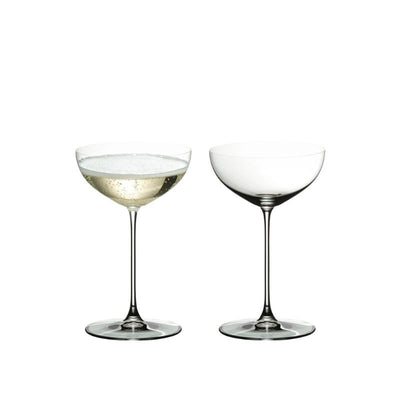
Albariño's aromatics are subtle rather than loud, so a glass that concentrates them towards your nose makes a real difference. A tapered, slightly narrower bowl, the kind of shape you'd reach for with a good Riesling or Sauvignon Blanc, holds those citrus and mineral notes together instead of letting them dissipate across a wide-open rim.
Serve it properly chilled but not ice-cold. Too cold and you lose the stone fruit and aromatic detail; you're left with acidity and not much else.
A personal note: if you ever find yourself in Galicia in August, the Festa do Albariño in Cambados is worth planning a trip around. Dozens of producers in the town square, it’s an all-you-can-eat-and-drink-without-bursting marathon, complete with concerts, fireworks, and a surprising Celtic influence.
So, seven hundred and fifty miles from the nearest ría, this Lancashire lad has decided Galicia's got the better claim on his first of August.
I'm sure Yorkshire's ego is sturdy enough to survive the snub.
Frequently Asked Questions
How do you pronounce Albariño?
"Al-vuh-REEN-yo." The Portuguese spelling, Alvarinho, is pronounced similarly, with the emphasis in the same place.
Is Albariño the same as Alvarinho?
Genetically, yes. Albariño is the Spanish name, used in Rías Baixas. Alvarinho is the Portuguese name, used mainly in Monção e Melgaço, the northernmost part of Vinho Verde. But the granite soils, altitude and cooler, more continental climate on the Portuguese side tend to produce a wine with more texture, body and ageing potential than the typically lighter, earlier-drinking Spanish style. Worth tasting both side by side rather than assuming one stands in for the other.
Does Albariño age well, or should I drink it young?
Most bottles are made for early drinking, within a year or two of release, and that's when the fresh citrus character is at its best. That said, a growing number of producers make single-vineyard, old-vine versions with genuine ageing potential, so it's worth checking the label if you're planning to hold a bottle.
What's a good alternative if I can't find Albariño?
A dry Riesling or a Loire Sauvignon Blanc are the closest substitutes in terms of acidity and food-friendliness, though neither quite replicates that distinctive saline character.
Give Albariño the glass it deserves
A tapered white wine glass concentrates those citrus and mineral notes exactly where you need them.
Explore Wine Glass CollectionsAbout the Author
Andi Healey is the Web Manager at The Riedel Shop with over ten years of experience helping customers understand wine and glassware. Based in Surrey, Andi combines practical retail experience with a genuine enthusiasm for wine culture and the food science behind why certain combinations work.


Hi Stuart
Thank you very much. Always nice to be appreciated.
Cheers!
Andi
I so look forward to your missives each Saturday. Absolutely brilliant. I bought my st of Reidel new world glasses 20 years ago and they’re still going strong. Keep up the great writing.
Leave a comment