



The Grown-Up's Guide to Easter: Wine and Chocolate, Done Properly

Andi Healey
Web Manager

Easter Entertaining • Wine Pairing
Wine and Chocolate: The Easter Pairing Guide You Actually Need
Because "red wine with chocolate" is about as helpful as "just add seasoning." Here's what actually works - and why.
Wine and chocolate. Two of life's great pleasures, which, in the wrong combination, can actively ruin each other. Pair the wrong wine with a bar of dark chocolate and you'll end up with something that tastes of metal, bitterness, and regret. Get it right, though, and the effect is genuinely greater than the sum of its parts.
Easter is the one time of year most of us have serious chocolate in the house - hollow eggs, filled eggs, truffles, the works - so it's worth thinking about what to open alongside it. This guide covers the fundamentals, the best matches for dark, milk, and white chocolate, the UK brands worth seeking out, and which glass to use for each pairing. Because, obviously, that matters too.
The Golden Rules (and One Common Mistake)
Wine and food pairing has a few reliable principles, and they all apply here. The most important: your wine needs to be at least as sweet as the food. If it isn't, the wine will taste dry, sharp, and bitter next to the chocolate. This is the mistake most people make. They reach for a big dry red with a milk chocolate Easter egg, and wonder why it tastes odd.
Three rules for wine and chocolate
- Sweet meets sweet: Your wine should be as sweet as - or sweeter than - the chocolate.
- Match the intensity: Dark, bitter chocolate wants bold, tannic, flavoursome wine. Delicate white chocolate wants something equally gentle.
- Fat is your friend: The cocoa butter in chocolate coats the palate. Wines with good acidity cut through it; wines without it sit heavy.
The second thing to understand is that chocolate is not one thing. Dark chocolate at 70% and a milk chocolate truffle are about as similar as a ribeye steak and a slice of cake. The approach for each is entirely different.

Dark Chocolate Pairings
This is where wine pairing gets genuinely exciting. High-cocoa dark chocolate - 60% and above - has significant bitterness and tannin of its own, which means you need a wine with enough fruit and body to stand up to it. Tannic reds that work beautifully with a steak can actually amplify bitterness next to very dark chocolate. The sweet spot is wines with ripe, jammy fruit, moderate tannin, and some residual sweetness.
Fortified wines: the classic answer
Vintage Port is probably the single greatest match for dark chocolate that exists. The sweetness tames the bitterness, the dried fruit notes - plum, fig, dark cherry - mirror the chocolate's flavour profile, and the tannin holds up to the fat content. If you're opening a bottle of Port this Easter anyway, this is what to have alongside it.
LBV (Late Bottled Vintage) Port does the same job at a more accessible price point. Tawny Port, with its nutty, oxidised character, is brilliant with chocolates that have a caramel or hazelnut filling.
Pedro Ximénez Sherry - known as PX - is perhaps even more indulgent. It's thick, syrupy, and intensely flavoured with dried fruit, molasses, and coffee. Drizzle it directly over vanilla ice cream with dark chocolate shavings if you want to make someone's Easter.
Ambitious red wine pairings
If you'd rather open a still red, look for fruit-forward, lower-tannin styles. Amarone della Valpolicella from northern Italy, made from partially dried grapes, has the density and sweetness to handle dark chocolate. Australian Shiraz from the Barossa Valley, with its rich blackberry fruit and chocolate undertones, is a natural pairing. Zinfandel from California, ripe and jammy with good body, works well with bittersweet chocolate in the 60-70% range.
Vintage or LBV Port
The benchmark pairing. Ripe fruit, structured sweetness, and enough body to match the intensity of very dark chocolate.
Pedro Ximénez Sherry
Syrupy and rich with dried fruit and coffee. An indulgent match, particularly with chocolate truffles or ganache.
Barossa Valley Shiraz
Full-bodied, fruit-forward, with natural chocolate notes. Brilliant with mid-range dark chocolate and flavoured bars.
Tawny Port
Nutty, oxidised, and complex. The ideal partner for anything with praline, caramel, or toasted hazelnuts inside.
Worth knowing
Champagne and dark chocolate is a popular combination that rarely works in practice. The sharp acidity and dryness of most Champagne clashes badly with the bitterness of dark chocolate. Save the Champagne for the white chocolate and strawberries.
Milk Chocolate Pairings
Milk chocolate is sweeter, creamier, and less bitter than dark. This means you need a wine that matches that sweetness without being cloying, and has enough body to cut through the fat. A light, dry red wine will taste uncomfortably thin and tart next to a good milk chocolate. You need something richer.
Medium-bodied reds and sweet reds
This is where Merlot earns its place. A good Pomerol or Saint-Émilion, with its velvety texture and plum-and-chocolate fruit, is a fine companion for milk chocolate - but it needs to be a ripe, fruit-forward example rather than a lean, earthy one. New World Merlot from Chile or California is often the easier, more reliable choice.
Brachetto d'Acqui from Piedmont is an underrated Easter discovery: a lightly sparkling, sweet red wine with strawberry and rose petal notes that pairs beautifully with creamy milk chocolate. It's easy to drink, relatively low in alcohol, and genuinely lovely with a chocolate egg. Worth seeking out.
For something more adventurous, Lambrusco - real Lambrusco, not the cheap sweet stuff - has a fruity, slightly fizzy character that works well with milk chocolate's creaminess. Look for Lambrusco di Sorbara for the most refined version.
Brachetto d'Acqui
Lightly sparkling, sweet red from Piedmont. Strawberry and rose notes make this an unexpectedly brilliant Easter pairing.
New World Merlot
Ripe, velvety, and fruit-forward. The plum and cocoa notes in Chilean or Californian Merlot mirror milk chocolate naturally.
Ruby Port
Bright, fruity, and sweet. Ruby Port with its fresh berry character is excellent alongside milk chocolate with fruit fillings.
Oloroso Sherry
Dry but richly nutty and complex. A medium-dry Oloroso handles caramel-filled milk chocolate with elegance.
White Chocolate Pairings
White chocolate is technically not chocolate - it contains no cocoa solids, only cocoa butter, milk, and sugar. This makes it the sweetest and most delicate of the three, and the one where you have the most flexibility with wine. You're looking for wines with good natural sweetness and freshness, rather than heavy tannin or oak.
Where white wine finally enters the conversation
Sauternes, the great sweet wine of Bordeaux, is a natural companion. Its honeyed, apricot-and-marmalade richness pairs wonderfully with good quality white chocolate. It's also an occasion wine - if Easter Sunday calls for something special, a half-bottle of Sauternes with white chocolate truffles is a very good way to end a meal.
Moscato d'Asti, from Piedmont, is a lighter, softer option: low in alcohol, gently fizzy, and intensely floral and peachy. It's a generous, crowd-pleasing match for white chocolate of almost any kind. If you're catering for people who don't drink much, the low ABV (usually around 5%) makes it easy to pour freely.
For something unexpected: a good late harvest Riesling from Germany or Alsace brings honeyed sweetness, high natural acidity, and citrus notes that cut beautifully through white chocolate's richness. This is particularly good with white chocolate that contains fruit - lemon, raspberry, or passionfruit.
The exception
Champagne and white chocolate really works - specifically demi-sec or doux Champagne, which has genuine sweetness. Brut Champagne is still too dry, but a sweeter style has the acidity to cut through white chocolate and the elegance to complement it.
UK Chocolate Brands: What to Drink with Them
We're fortunate in the UK to have some serious chocolate producers, from household names to small-batch makers worth going out of your way for. Here's a quick guide to the brands you're most likely to encounter this Easter, and what to open alongside them.
| Brand | Style & Character | Pair with |
|---|---|---|
|
Green & Black's 70% Dark, Organic |
Intense cocoa, slight earthiness, long finish. One of the best supermarket dark chocolates available. | LBV Port or Barossa Shiraz. The depth of the chocolate needs something substantial. |
|
Montezuma's Truffle range, flavoured bars |
Creative flavour combinations - orange, ginger, sea salt. High quality, often fun. | Tawny Port for the spiced and caramel varieties; Moscato d'Asti for the fruit-forward ones. |
|
Hotel Chocolat Slabs, eggs, gianduja |
Wide range, generally high cocoa content even in milk chocolate. Their Supermilk (65% milk) is exceptional. | Their dark range: Vintage Port. Supermilk: a ripe Chilean Merlot. Salted Caramel: Tawny Port. |
|
Rococo Artisan bars, flavoured chocolate |
London-based artisan maker. Floral, herbal, and spiced varieties alongside excellent plain dark. | Floral-flavoured bars: Moscato d'Asti or Brachetto d'Acqui. Plain dark: Pedro Ximénez. |
|
Fortnum & Mason Truffles, Easter eggs |
Classic British confectionery. Ganaches are particularly fine - usually milk or dark with traditional fillings. | Their champagne truffles aside: Ruby Port for the milk; Sauternes for the cream fillings. |
|
Cadbury Dairy Milk The benchmark milk chocolate |
High sugar, mild, creamy. The national Easter egg default. More sweet than chocolatey. | Brachetto d'Acqui or Ruby Port. Don't overthink it - it's meant to be fun. |
A note on bean-to-bar
If you're buying from a small-batch bean-to-bar maker - Pump Street, Dormouse, Duffy's - the flavour profiles are so distinctive and origin-specific that it's worth asking the chocolatier directly what they'd suggest. Madagascan chocolate with its red fruit character pairs very differently from a Venezuelan bar with its earthy, tobacco notes.
The Glassware Question
Does the glass actually matter when you're eating chocolate? Yes - as much, if not more, than at any other time. The reason is aroma. Chocolate is as much an olfactory experience as a taste experience, and the shape of a wine glass directly determines how the aromas are collected and directed towards you as you drink. With Port and Sherry especially, the glass can make a significant difference to how the pairing lands.
For Port and fortified wine
A small red wine glass - or better, a dedicated Port glass with a tulip shape - opens up the fruit aromas and lets you actually smell what you're drinking. The Riedel Vinum Port glass was designed precisely for this purpose, with a shape that softens the fortified wine's heat and showcases its fruit.
For Sherry
A white wine glass with a small to medium bowl (a Riedel Vinum Sauvignon Blanc, for instance) gives Sherry room to breathe and allows the complex dried fruit and nutty aromas to open up. Pedro Ximénez in particular benefits from a proper glass rather than a thimble.
For Sauternes and sweet whites
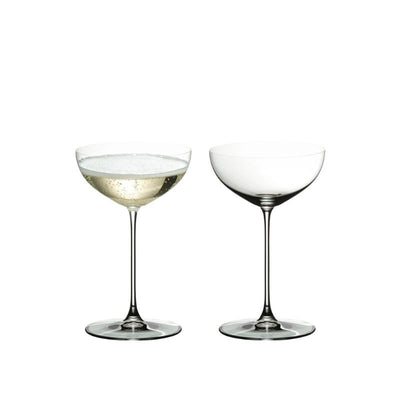
A smaller white wine glass works well here - you want concentration rather than the wide bowl of a Chardonnay glass. The Riedel Vinum Riesling glass has a slightly narrower opening that keeps the honeyed aromatics in the glass. For Moscato d'Asti, a champagne wine glass is fine; the gentle bubbles will do the work regardless.
For red wine with dark chocolate
A full-bodied red wine glass - Shiraz or Cabernet Sauvignon shape - is ideal for Barossa Shiraz or Amarone. The wider bowl allows the ripe fruit to open up fully, which is what you need to counterbalance the bitterness of high-cocoa chocolate. The Riedel Vinum Shiraz/Syrah glass is the natural choice if you're working across the dark chocolate end of the spectrum.
A Word on Easter Eggs Specifically
The thing about an Easter egg is that it's mostly air. The chocolate is thin, the surface area is enormous, and it melts quickly on the palate. The dominant flavour experience is sweetness and fat more than deep cocoa intensity. This means you can be slightly more relaxed about the pairing - you don't need something as structured as you would for a serious 85% bar.
For a standard milk chocolate Easter egg, Brachetto d'Acqui or a good Ruby Port are the go-to choices. Both have the fruit and sweetness to complement rather than compete, and neither will overpower what is, let's be honest, meant to be a fairly cheerful eating experience.
For dark chocolate Easter eggs in the 60-70% range, a fruit-forward Shiraz or a glass of LBV Port works well. You don't need to open a Vintage Port for this - save that for the proper dark chocolate bars.
If you're doing a full Easter egg spread - different brands, different chocolates, multiple generations around the table - the honest answer is: open a bottle of something sweet and low in alcohol, like Moscato d'Asti, and let people enjoy both without overthinking it. Wine and chocolate pairing is meant to enhance the occasion, not turn Easter Sunday into a tasting seminar.

Temperature matters
Serve your chocolate at room temperature, not straight from the fridge. Cold chocolate mutes its flavour dramatically and makes pairing almost impossible. Equally, Port and Sherry should be slightly cool - around 16-18°C for fortified reds, 12-14°C for Sherry.
Whatever you open this Easter - enjoy it and look after each other.
The Right Glass Makes a Difference
Whether it's Port, Sherry, or a generous Barossa Shiraz, the shape of the glass shapes the experience. Explore our range of Riedel glassware - designed specifically for the wines that pair best with chocolate.
Shop Riedel Vinum Browse All Wine Glasses


Leave a comment