



What Wine To Pair With Christmas Dinner?

Andi Healey
Web Manager

Every December, the same dusty old wine advice gets wheeled out: "Pair this specific Burgundy with your turkey, that particular Bordeaux with your beef, and for God's sake don't forget the vintage Port for the Stilton".
It all sounds very sophisticated until you actually sit down to Christmas dinner.
Here's what's really on your plate: turkey, ham, three types of potatoes, stuffing with about fourteen herbs in it, pigs in blankets, Brussels sprouts with bacon, bread sauce, cranberry sauce that's both sweet and sharp, gravy, and those honey-glazed carrots your aunt always insists on bringing.
This isn't a carefully composed dish where one wine can shine. This is chaos on a plate (controlled chaos, if you're lucky, but chaos nonetheless).
So let's talk about what actually works for the entire Christmas period, from Christmas dinner through to Boxing Day leftovers, based on how food and wine genuinely interact, not on what sounds impressive.
Key Takeaways: Complete Christmas Wine Guide
- Sparkling wine is your best bet for Christmas dinner and works all the way through the meal, not just for toasts
- High acidity matters more than anything when dealing with multiple rich, fatty, and herb-heavy dishes
- Low-tannin reds like Pinot Noir are safer than big Cabernets because herbs and cranberry sauce make strong tannins taste bitter
- Dessert wines must be sweeter than the pudding or they'll taste thin and sour - Tawny Port works with both pudding and cheese
- Vegetarian mains need earthy wines - Viognier and Rhône reds complement nut roasts brilliantly
- Boxing Day leftovers require different approaches - light reds served cool for cold cuts, aromatic whites for curry
- A £15 bottle often works as well as £50 with all the competing flavours on a Christmas plate
- Plan half a bottle per person for dinner, plus pre and post-meal drinks
Complete Christmas Wine Guide
- Why Christmas Dinner Makes Wine Pairing Difficult
- The Easy Answer: Sparkling Wine
- If You're Drinking White Wine
- If You're Drinking Red Wine
- What About Ham?
- Starters: The Easy Course
- Alternative Mains: Goose, Duck, and Beef
- Vegetarian and Vegan Mains
- Christmas Pudding and Dessert
- The Cheese Board
- Boxing Day: What to Drink With Leftovers
- The Complete Christmas Wine Strategy
- The Right Glassware for Christmas
- Frequently Asked Questions
Need the Perfect Gift for the Wine Lover in Your Life?
Our easy-to-use Wine Lover's Gift Finder takes just a couple of steps to find ideal gifts (or treat yourself, go on, it's Christmas!)
Try the Gift FinderWhy Christmas Dinner Makes Wine Pairing Difficult
The real problem with pairing wine for Christmas dinner is that the strongest flavours aren't coming from the turkey. Turkey is quite mild. The big flavours are coming from everything else: the herby stuffing, the rich gravy, the sweet-and-sour cranberry sauce, the salty bacon from the sprouts.

Wine pairing usually works by matching the wine to the main protein. But when the protein is the blandest thing on the plate and everything else is shouting for attention, you need to think differently. You need wine that can handle multiple strong flavours at once without falling apart or clashing with something.
This means you're looking for wines with three key qualities:
High acidity cuts through rich, fatty, creamy food and stops your palate feeling overwhelmed. It's why sparkling wine works so well with pretty much everything.
Low or moderate tannins prevent clashing with complex, herb-heavy food. Big, tannic red wines taste harsh and bitter when you're eating herby stuffing and cranberry sauce. Turkey doesn't have enough fat to soften strong tannins the way beef does.
Versatility over perfection means choosing something that works reasonably well with everything on your plate, not something that pairs brilliantly with turkey but tastes awful with cranberry sauce.
💡 The Turkey Paradox: Traditional advice focuses on the turkey, but turkey is the mildest thing on your plate. You're actually pairing wine with sage, bacon, cranberries, and gravy, all of which have much stronger flavours than the bird itself.
The Easy Answer: Sparkling Wine
If you only take one thing from this article, take this: good sparkling wine is probably your best bet for Christmas dinner, and not just for the toast.
Sparkling wine works because the bubbles and high acidity cut through rich food beautifully. It refreshes your palate between bites. It doesn't clash with the sweet elements (cranberry sauce) or the salty elements (bacon, ham, gravy). It works with turkey, works with ham, works with most of the sides, and even works with cheese later.
Champagne
Champagne is obviously the luxury option. If you're splashing out, go for something Brut or Extra Brut (dry styles) rather than anything sweet. A Blanc de Blancs (made entirely from Chardonnay grapes) is particularly good because it's got that crisp, citrusy character that cuts through butter and cream.
English Sparkling Wine
Take the opportunity to bang the patriotic drum. English sparkling wine genuinely rivals Champagne in quality now. It's got the same bright acidity and fine bubbles, and supporting British producers whilst serving traditional British Christmas dinner has a certain logic to it.
Cava
Cava from Spain offers brilliant value. Look for Brut Nature or Brut Reserva, these are bone-dry styles that work beautifully with food rather than feeling sweet. You can often find excellent Cava for £10-15 that performs as well as much pricier Champagne when dealing with the complexity of Christmas dinner.
Prosecco
Prosecco works, though it's generally lighter and softer than Champagne or Cava. Fine for a casual meal, but if you're looking for something that can really handle the richness of Christmas dinner, go for something with a bit more structure.
The point is: you can drink sparkling wine all the way through Christmas dinner and it'll work.
That's not true of most wines.
If You're Drinking White Wine
White wines for Christmas dinner need to have enough body to stand up to rich food, and enough acidity to cut through it. Thin, light whites just disappear.
The Safe Bet: Chardonnay
Chablis (which is Chardonnay from a specific region in France) is excellent. It's crisp, mineral, and completely unoaked, so you get pure, clean flavour with serious acidity. That acidity is perfect for cutting through buttery sides and herb-heavy stuffing.
If you want something richer, go for an oaked Chardonnay, something from Burgundy if you're splashing the cash, or from California or Australia if you want better value. The fuller body matches the weight of the meal, and if it's got some richness from oak ageing, that complements the whole feel of Christmas dinner.
Just avoid anything too heavily oaked. You want the oak to support the wine, not dominate it.
The Alternative: Aromatic Whites
Viognier (one of my favourites) is worth trying if you want something a bit different. It's got an aromatic character (think apricot, peach, floral notes) and a rich texture that works surprisingly well with herb-heavy stuffing and roasted vegetables.
Pinot Gris (the proper Alsace style, not watery Italian Pinot Grigio) has body and a slight oiliness that handles rich food well.
For both of these, you want something with weight. Light, crisp aromatics will just get lost.
🍷 Temperature Matters: Serve white wines properly chilled (8-10°C for Chablis, 10-12°C for richer Chardonnays). Too warm and they lose that refreshing acidity you need.
If You're Drinking Red Wine
Red wine with Christmas dinner is trickier because you've got to avoid tannins clashing with the complexity of the plate. Big, structured reds like Cabernet Sauvignon or Barolo are generally too much. The tannins taste harsh and bitter against herby stuffing and cranberry sauce.
The Best Red: Pinot Noir
Pinot Noir is the safest red wine choice for Christmas dinner, and there's actual reasons for this rather than just wine snobbery.
It's got low tannins, so it doesn't clash with the trimmings. It's got red fruit flavours (cherry, strawberry, raspberry) that actually complement cranberry sauce rather than fighting with it. It's light enough not to overwhelm turkey. And it's got enough complexity to be interesting.
Burgundy is the classic region, but it's expensive and the quality is inconsistent unless you know what you're buying.
New Zealand Pinot Noir is much more reliable for the money, fruitier and more approachable.
Oregon makes excellent Pinot Noir that sits somewhere between Burgundy's elegance and New Zealand's fruit.
Serve Pinot Noir slightly cooler than room temperature (about 15-16°C). It works better that way with food.
The Alternative Red: Beaujolais
Beaujolais (made from Gamay grapes) is another light, low-tannin red that works well. It's fruit-forward, refreshing, and doesn't take itself too seriously. The cherry and raspberry flavours work nicely with cranberry sauce.
Avoid Beaujolais Nouveau (the stuff that came out in November), it's too thin and simple. Look for proper Beaujolais or one of the Cru Beaujolais villages like Morgon or Fleurie.
You can, again, serve Beaujolais slightly chilled, which makes it surprisingly refreshing with rich food.
If You Want Something With More Body
Rioja Crianza or Reserva gives you more structure without overwhelming tannins. The oak ageing adds complexity, and there's enough acidity to handle rich gravy.
Merlot works if it's a softer style. Avoid anything too big. Chilean or Californian Merlot is often a safe bet.
Rhône blends (wines with Grenache, Syrah, and Mourvèdre) can work if you're serving really rich sides like spiced red cabbage. They've got spicy, herby notes that complement those flavours. But they're quite full-bodied, so they're better if you're not serving turkey.
Red Wine Comparison for Christmas Dinner
Pinot Noir: Light body, low tannins, red fruit. Safest choice. Works with everything.
Beaujolais: Very light, fresh, cherry flavours. Great value. Can serve chilled.
Rioja Reserva: Medium body, moderate tannins, spicy oak. More structure for rich gravies.
Merlot: Medium body, soft tannins, plummy fruit. Choose Chilean or Californian styles.
What About Ham?
If you're serving glazed ham alongside your turkey (or instead of it), the pairing changes slightly because you're dealing with salt and sweetness together.
The salt content in ham is high, and if there's a honey or maple glaze involved, you've got significant sweetness as well. Wines need to handle both.
Off-Dry Riesling
Off-dry Riesling is brilliant with ham. The slight sweetness complements the glaze, and the high acidity cuts through both the fat and the saltiness. German Riesling (look for Kabinett or Spätlese on the label) is ideal, though it can seem unusual to people who only drink super-dry wines.
Fruity Pinot Noir
Fruity Pinot Noir works well (again) because the fruit character complements ham's sweetness, and the acidity balances the salt.
Lambrusco
Lambrusco, yes, the slightly fizzy, slightly sweet Italian red wine, is actually great with heavily glazed ham. It's refreshing, the bubbles cut through fat, and the sweetness matches the glaze. It's unconventional, but it genuinely works, honestly.
Starters: The Easy Course
Starters are straightforward because you're dealing with one main flavour rather than eight different things competing on the plate.
Smoked Salmon
The oiliness and smoky character of smoked salmon need wines with high acidity and a mineral quality.
Champagne or English sparkling wine is the traditional choice and it's traditional because it works. The acidity and bubbles cut through the oiliness perfectly.
Chablis, Sancerre or Pouilly-Fumé are all classic pairings. Clean, zesty, and they handle the richness well.
If someone absolutely insists on red wine with smoked salmon (which is odd but fine), it needs to be very light. A cool-climate Pinot Noir is about the only thing that won't taste wrong.
Prawn Cocktail
Yes, people still serve prawn cocktail, and there's nothing wrong with that. The Marie Rose sauce (basically mayo and ketchup) needs something crisp and citrusy.
Sauvignon Blanc, Albariño (Spanish white with lovely acidity and a slightly salty character), or Vermentino (Italian, crisp, refreshing) all work perfectly.
Pâté
Depends entirely on the type. Rich duck or game pâté can handle a light red or even something sweet like Sauternes. Chicken liver pâté works with medium-bodied whites or light reds.
Alternative Mains: Goose, Duck, and Beef
If You're Serving Goose or Duck Instead of Turkey
Goose and duck are much richer and fattier than turkey, which changes everything. You need wines with much higher acidity to cut through all that fat.
Dry Riesling from Alsace is excellent. The high acidity manages the fat, and the aromatic character (sometimes a bit of sweet spice, grapefruit, petrol notes) handles the gamey flavour.
Gewürztraminer (also from Alsace) works if you're doing a fruit stuffing with the goose. It's aromatic, slightly exotic, and the bit of residual sweetness complements apricot or apple stuffing beautifully.
For red wine, you can go a bit bigger than you would with turkey. Pinot Noir still works, but you could also try a Chianti Classico or even a Barolo. The higher tannins and acidity cut through the fat.
If You're Serving Beef
If you're doing roast beef for Christmas, you can go much bigger with the wine. Beef has enough fat and protein to soften strong tannins, and it can handle full-bodied, structured reds.
Bordeaux is the classic choice, particularly Left Bank styles like Pauillac or Saint-Émilion if you're splashing out.
Cabernet Sauvignon from anywhere works well. Australian, Argentinian, Chilean, all good options at various price points.
Malbec from Argentina is excellent with beef. Bold fruit, good structure, usually reasonably priced.
Rhône reds like Châteauneuf-du-Pape work if you want something with a bit more spice and complexity.
If you're serving horseradish sauce with the beef, you want wines with a bit of oak or smoky character. The cedar notes in some barrel-aged wines complement the heat of the horseradish.
Vegetarian and Vegan Mains
If you're serving a nut roast, mushroom wellington, or stuffed squash as the main, the pairing approach changes because you're dealing with earthy, herby flavours and different textures rather than meat.
Nut Roast
Nut roasts are dense, savoury, and usually quite herby. You want wines with enough body to match that texture.
Viognier is excellent – the rich, aromatic character (apricot, peach, floral notes) complements the earthiness without overwhelming it.
White Burgundy or fuller-bodied Chardonnay works for similar reasons.
For red, go for something earthy. Rhône reds with their herby character (think rosemary and thyme) echo the herbs in the nut roast. Pinot Noir, Beaujolais, or Cabernet Franc from the Loire all work too.
Mushroom Wellington
The deep, earthy flavour of mushrooms needs wines that can match the intensity.
Pinot Noir is ideal because it often has its own earthy, mushroomy notes.
Barolo or mature Saint-Émilion if you want something more structured.
Fuller whites like rich Chardonnay or Viognier work too.
If There's Cream or Cashew Cream Involved
Rich, creamy vegan dishes made with cashew cream need high-acid wines to cut through that richness.
Chenin Blanc, Sauvignon Blanc, or sparkling wine all provide the necessary acidity to refresh your palate.
Spicy Vegetarian Dishes
If there's a spiced squash curry or harissa-roasted vegetables involved, you need wines that can handle heat.
Off-dry Riesling or Gewürztraminer work because the slight sweetness soothes the chilli heat whilst the aromatics complement the spices.
Moscato or off-dry rosé can work with really spicy dishes because the sweetness buffers your mouth against the heat.
Christmas Pudding and Dessert
Christmas pudding is intensely rich – packed with dried fruit, suet, spices, and usually soaked in brandy. You need wines that are sweeter than the pudding itself, or the wine will taste thin and sour.
This is where the rules change completely. With savoury food, you're looking for balance and versatility. With dessert, you need intensity and sweetness.
The Traditional Choice: Port
Tawny Port is the classic Christmas pudding partner. The toffee, caramel, and nutty notes complement the dried fruit and spices perfectly. A 10 or 20-year-old Tawny has more complexity, but even a basic Tawny works.
Ruby Port is fresher and fruitier – better with chocolate-based desserts like Yule log than with Christmas pudding.
Port keeps well once opened (especially Tawny), which is practical when you're only having small glasses with dessert.
The Alternative: Sweet Sherry
Pedro Ximénez (PX) Sherry is intensely sweet and syrupy, with flavours of raisins, figs, coffee, and dark chocolate. It's almost like a liquid Christmas pudding itself, which makes it brilliant with the real thing.
Aged PX (10 or 20-year-old) has additional nutty and caramel notes that add even more complexity.
Other Sweet Wines
Madeira (specifically Bual or Malmsey styles) is excellent. It's got caramel and nutty flavours from its unique production process, and crucially, it's got bright acidity that cuts through the richness of the pudding. It also keeps forever once opened.
Sauternes (sweet French white wine) is very rich and honeyed – better with lighter desserts like trifle or crème brûlée than with dense Christmas pudding, but some people love it.
Late harvest Riesling from Germany or Austria provides honeyed sweetness with bright acidity, so it never feels cloying.
Mince Pies
Mince pies work with most of the same wines as Christmas pudding – Port, PX Sherry, or Madeira.
Moscato d'Asti (lightly sparkling, sweet Italian wine) is brilliant with mince pies because the bubbles and acidity prevent it feeling too heavy.
The Cheese Board
The cheese selection at Christmas usually covers several categories, each needing different wine approaches.
Stilton and Blue Cheese
Blue cheese is so salty and powerful that it makes most red wines taste harsh and bitter. The salt emphasizes any tannins in the wine.
The classic solution is Port and Stilton – the sweetness of the Port contrasts beautifully with the saltiness of the cheese. It's traditional because it genuinely works.
Sauternes or Tokaji (Hungarian sweet wine) do the same job if you prefer white wine – the sweetness balances the salt.
Here's a practical point: Tawny Port works with both Christmas pudding and blue cheese, which means you only need to open one bottle for both courses. That's genuinely useful when you're managing multiple bottles.
Hard Cheeses (Cheddar, Lancashire, Wensleydale)
Mature Cheddar needs something bold enough to stand up to its strong flavour. Bordeaux, Cabernet Sauvignon, or other full-bodied reds work well.
Milder cheeses like Wensleydale or Lancashire are more versatile. Pinot Noir, Beaujolais, or even medium-bodied whites like Viognier all work.
Soft Cheeses (Brie, Camembert)
The creamy richness of soft cheese needs high acidity to cut through it.
Champagne or other sparkling wines are ideal – the bubbles and acidity cleanse your palate after each bite.
Chablis or other high-acid whites like Grüner Veltliner work for the same reason.
Boxing Day: What to Drink With Leftovers
Boxing Day introduces different challenges because you're often eating cold food, or you've transformed the turkey into a curry. The wine requirements shift dramatically.
Cold Cuts
Cold turkey, ham, and beef need refreshing, fruit-driven wines, often served chilled.
Light reds served cool work brilliantly – Beaujolais, Chinon (Cabernet Franc from the Loire), or Mencía from Spain. The low tannins and bright fruit cut through the saltiness of cold ham.
Crisp whites like Albariño or Riesling provide the acidity you need for salty cold meats.
If you're eating cold cuts with chutney or pickles, you need something with more fruit to handle the sweetness and acidity of the condiments. California or New Zealand Pinot Noir works better than delicate Burgundy.
Turkey Curry
Turning leftover turkey into a curry changes the wine requirements completely. You're now dealing with spices, heat, and often cream.
Aromatic whites are your best bet – Viognier, off-dry Riesling, or Pinot Gris. The aromatic character complements the spices.
For hot curries, wines with residual sugar are essential. The sweetness buffers your mouth against the chilli heat. Moscato, off-dry rosé, or Gewürztraminer all work.
Match the wine to the sauce base: creamy curries (like butter chicken) need wines with acidity to cut through the cream – Chardonnay works well. Tomato-based curries need high-acid wines to complement the tartness.
The Complete Christmas Wine Strategy
Now that we've covered everything from Christmas dinner through to Boxing Day leftovers, here's your complete shopping list approach:
For Christmas Dinner (Main Course)
- One sparkling wine – Champagne, English sparkling, or Cava Brut Reserva
- One versatile white – Chablis or good Chardonnay
- One versatile red – Pinot Noir or Beaujolais
- Temperature: reds at 15-16°C, whites properly chilled (8-12°C)
For Pudding and Cheese
- One bottle of Tawny Port – works with both Christmas pudding and Stilton
- Alternative: PX Sherry for pudding, Sauternes for cheese
- Small bottles (375ml) work well for dessert wines
For Boxing Day
- Light reds and aromatic whites – for cold cuts and sandwiches
- Off-dry Riesling or Gewürztraminer – if someone's making curry
Quantities to Buy
- Half a bottle per person for Christmas dinner
- Buy 20% more than you think you need – running out is worse than having leftovers
- Remember: opened Port and Madeira keep for weeks, opened sparkling wine doesn't
Budget Allocation
- Spend money on: the sparkling wine (this does the most work) and the dessert wine (where quality really shows)
- Save money on: the main course reds and whites – a £15 bottle often works as well as a £50 bottle when you're eating complex food
- Don't cheap out on: Port or dessert wines – the quality difference is noticeable
🎄 The Smart Christmas Wine Strategy: Two bottles of good sparkling (Cava or English), one versatile white (Chablis), one versatile red (Pinot Noir), one Tawny Port for pudding and cheese, plus whatever your family traditionally drinks. Done.
The Right Glassware for Christmas
Whilst we're talking about what to drink, it's worth mentioning that how you serve wine matters almost as much as which wine you choose.
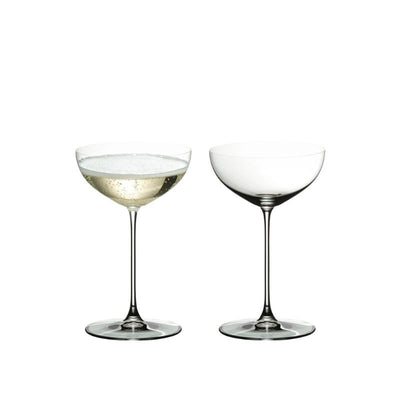
For sparkling wines, avoid those tall, thin flutes that look elegant but hide all the flavour. Egg-shaped Champagne glasses allow the wine to breathe whilst still maintaining the bubbles, letting you actually taste the complexity rather than just fizz.
For Pinot Noir, which is likely to be your red wine choice, you want a generous bowl that emphasises the delicate aromatics. The Burgundy-style glass shape directs the wine to the parts of your palate that best appreciate Pinot's red fruit character.
For Chardonnay or other full-bodied whites, a medium-sized glass with a slightly tapered rim concentrates the aromatics whilst allowing the wine to breathe.
The science behind varietal-specific glassware isn't pretentious wine snobbery. Different glass shapes genuinely deliver wine to different parts of your palate, emphasising different characteristics. When you're serving quality wine at Christmas, serving it in appropriate glassware lets everyone appreciate what you've chosen.
What Really Matters
We've covered dozens of wine options for every part of Christmas, from smoked salmon through to turkey curry. But here's what it all comes down to:
Wine pairing at Christmas is about having appropriate options available so people can enjoy their meal without the wine fighting with the food or overwhelming their palate. It's not about impressing anyone with your wine knowledge or spending a fortune on prestigious bottles.
The wines that work best at Christmas are:
- Versatile enough to handle multiple flavours
- Acidic enough to cut through richness
- Appropriate for the occasion and the people drinking them
Get the basics right (sparkling wine for the main meal, Port for pudding and cheese, something aromatic for leftovers), make sure everything's at the right temperature, and then focus on what actually matters – enjoying the holiday with people you care about.
If your uncle wants to drink that same bottle of Rioja he drinks every Christmas regardless of what you're serving, that's absolutely fine. If someone prefers beer with their turkey, that's fine too. And if your family's been happily drinking the wrong wine with Christmas pudding for thirty years and nobody's complained, keep doing that.
Wine pairing guidelines exist to help you enjoy food and wine more, not to create rules you have to follow. Use them when they're helpful, ignore them when they're not, and never let wine snobbery get in the way of a good meal.
So, Happy Christmas. May your turkey be moist, your wine be decent, and your relatives be tolerable.
Serve Your Christmas Wine in Proper Glassware
The right glass genuinely enhances wine appreciation. Browse our collections to find appropriate glassware for your Christmas wines.
Shop Wine GlassesFrequently Asked Questions


Leave a comment