



Guide to Sparkling Wine, Light-Bodied Whites, and Full-Bodied Whites

Andi Healey
Web Manager
 Let's start at the very beginning: the wines that open a meal, pair with lighter food, and that are, frankly, responsible for most of the best summer afternoons I can (just about) remember.
We're covering sparkling wine, light-bodied whites, and full-bodied whites. Three categories that between them contain some of the most food-friendly, versatile, and downright enjoyable bottles in the world.
If you think white wine is just something you drink when you can't decide on a red, this article is for you.
Key Takeaways
- Sparkling wine is not just for celebrations. It's one of the most food-friendly styles there is
- Light whites are the world's best-selling wines for good reason: they're easy, versatile, and endlessly drinkable
- Full-bodied whites convert red wine drinkers more reliably than almost anything else
- The difference between styles is largely about what happens in the winery, not just the grape
- Glassware genuinely matters. The right shape changes how a wine smells and tastes
In This Article

Sparkling Wine
Let's start with the good stuff. Sparkling wine is the most technically demanding category of wine, to make, in the world, and also, not coincidentally, one of the most enjoyable to drink.
The fact that it's become associated with celebrations is both entirely understandable and slightly unfair, because it means most people overlook it for the rest of the year.
And that's a shame. A good sparkling wine is one of the most food-friendly bottles you can open. The bubbles act as a palate cleanser, the acidity cuts through fat and richness, and the range of styles (from lean and mineral to toasty and complex) means there's a sparkling wine for almost every occasion.
Champagne
Background: Champagne comes from a strictly defined region in northern France, about 90 miles east of Paris, and can only legally be made there. It's produced primarily from three grapes: Chardonnay, Pinot Noir, and Pinot Meunier, blended together by each house to create their distinctive house style. The method, known as méthode champenoise or méthode traditionnelle, involves a second fermentation inside the bottle, which is what creates the bubbles and much of the complexity.
Most Champagne is Non-Vintage (NV), meaning it's blended across multiple years to maintain consistency. Vintage Champagne, made from a single exceptional year, is produced only when the harvest warrants it and commands considerably higher prices.
What to try: If budget is a consideration (and it usually is), look for grower Champagnes (récoltant-manipulant on the label) rather than the big houses. They're made by the people who actually grow the grapes, often in smaller quantities, and frequently offer better value. Pol Roger, Billecart-Salmon, and Taittinger are reliable house names if you'd rather stick with a known quantity. For a genuine treat, a blanc de blancs, made entirely from Chardonnay, is one of wine's great pleasures: precise, minerally, and completely unlike anything else.
🍾 Did you know? The pressure inside a Champagne bottle is roughly three times that of a car tyre, around 90 psi. This is why early glass bottles exploded so frequently that Champagne cellars were genuinely dangerous places to work. Cellar workers wore iron masks for protection, earning them the nickname cave rats.
Prosecco
Background: Prosecco is Italy's answer to Champagne, and the UK's favourite sparkling wine by some distance. It's made in the Veneto and Friuli regions of north-east Italy from the Glera grape, using the tank method (Charmat method) rather than the traditional bottle fermentation. This makes it considerably cheaper to produce, and gives it a fresher, fruitier, lighter character: more pear and white peach, less biscuit and toast.
DOCG Prosecco (from Conegliano Valdobbiadene) is the top tier and noticeably better than the basic DOC version. If you see Rive on the label, that's single-vineyard Prosecco, worth seeking out if you want to understand what the grape can really do.
What to try: For everyday drinking, a Brut Prosecco DOC is perfectly good. For something a step up, try a Valdobbiadene Superiore DOCG; the difference in complexity is immediately obvious. And if you've never tried a Col Fondo (refermented in bottle, slightly cloudy, slightly yeasty), it's a fascinating glimpse at what Prosecco looked like before the tank method took over.
Cava
Background: Spain's traditional method sparkling wine is criminally underrated. Cava is made primarily in Catalonia using indigenous Spanish grapes (Macabeo, Parellada, and Xarel·lo) using the same bottle-fermentation method as Champagne. This gives it real complexity and structure at a fraction of the price.
The category has been reformed in recent years. Cava de Guarda Superior requires longer ageing and stricter production standards, and the best examples, particularly Reserva and Gran Reserva Cavas, can genuinely hold their own against mid-range Champagne.
What to try: Avoid the very cheapest supermarket Cavas, which are often thin and angular. Instead, look for a Reserva Cava (aged at least 18 months) from producers like Gramona, Recaredo, or Raventós i Blanc. For a rosé sparkler, a Cava Rosado made from Trepat or Garnacha is a lovely, slightly unusual choice.
Crémant
Background: Crémant is the collective name for French sparkling wines made outside Champagne using the traditional method. There are eight Crémant appellations (Crémant d'Alsace, Crémant de Bourgogne, Crémant de Loire, Crémant de Bordeaux, and others) each with their own character depending on the local grapes and terroir.
What to try: Crémant d'Alsace, made from Pinot Blanc and Auxerrois, is perhaps the most reliable and widely available. Crémant de Bourgogne, made from Chardonnay and Pinot Noir, is the closest in style to Champagne. Both offer excellent quality at a very fair price, typically £12–18 for something that would cost twice that in a Champagne bottle.
English Sparkling Wine
 Background: Ten years ago, recommending English sparkling wine felt slightly patriotic rather than genuine good advice. That's no longer true. The chalky soils of Sussex, Kent, and Hampshire are geologically almost identical to those of Champagne. The same seam of chalk runs beneath the Channel, and a warming climate has made English sparkling wine not just credible but genuinely exciting.
English sparkling wine is now winning international blind tastings against Champagne with some regularity. It tends to be leaner and more mineral than its French counterpart, with a distinctive green apple and elderflower character that's entirely its own.
What to try: Nyetimber is the best-known producer and a reliable introduction. Ridgeview offers consistently excellent quality across their range. For something more off the beaten track, Bolney, Gusbourne, and Hattingley Valley are all worth exploring. Prices are still higher than they should be (English wine production costs are significant and the production runs are still relatively small) but the quality justifies it.

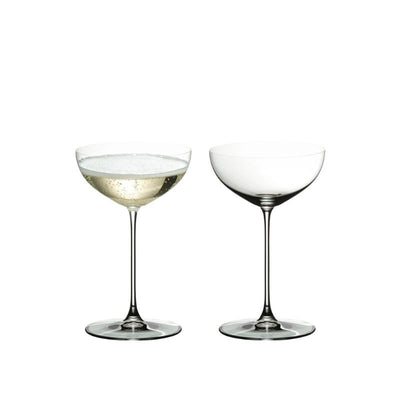
🏴 The glass matters: Skip the flute. A tulip-shaped sparkling wine glass, wider at the top than a traditional flute, concentrates the aromas rather than sending them straight up and away. You'll smell considerably more of what's in the glass, which rather defeats the point of drinking something good.
Light-Bodied White Wine
 Light white wines are the world's best-selling wines, and not by accident. They're fresh, food-friendly, easy to understand, and almost universally drinkable. They're also the wines that get the most unfair criticism from people who think complexity is the only measure of quality. It isn't.
A well-made Sauvignon Blanc or Albariño is a genuinely pleasurable thing. Some of the world's greatest wines are light whites, including several of the most sought-after bottles in Burgundy.
The defining characteristics of this style are high acidity, relatively low alcohol (usually 11–13%), minimal or no oak influence, and flavours that tend towards citrus, green fruit, herbs, and minerals rather than the richer, creamier notes you'd find in a full-bodied white.
Sauvignon Blanc
Background: Sauvignon Blanc is one of the world's most instantly recognisable white grapes, partly because it makes such a distinctive wine. The flavour profile can range from searingly herbaceous (green pepper, cut grass) to tropical and exuberant (passion fruit, grapefruit, gooseberry), depending almost entirely on where it's grown and how ripe the grapes were at harvest.
Cool climates produce leaner, more herbal, more mineral Sauvignon Blancs. Warmer climates produce riper, more fruit-forward styles. The two archetypes are Sancerre (cool, Loire Valley, France) and Marlborough (warm, New Zealand), and they taste so different that it can be hard to believe they're made from the same grape.
What to try: New Zealand Marlborough Sauvignon Blanc is the obvious starting point. Cloudy Bay made it famous, but there are now dozens of excellent producers at lower prices. For something more refined, a Sancerre or Pouilly-Fumé from the Loire is a revelation: all mineral precision and citrus zest, nothing like the tropical New Zealand style. South Africa's Stellenbosch produces excellent Sauvignon Blanc at very fair prices. And if you've never tried a barrel-fermented Sauvignon Blanc (sometimes labelled Blanc Fumé), it's a surprisingly different experience, rounder and more complex than the unoaked style.
🌿 The herbaceous character in Sauvignon Blanc comes from a group of compounds called methoxypyrazines. Some people are more sensitive to these than others. If Sauvignon Blanc tastes overwhelmingly of cat pee or nettles to you, that's probably why. Warmer growing conditions reduce methoxypyrazines, which is why Marlborough Sauvignon tastes less herbaceous than Loire.
Pinot Grigio / Pinot Gris
Background: Same grape, two very different wines, and it's a useful illustration of how much winemaking style matters. Pinot Grigio (Italian name) tends to be made in a light, crisp, neutral style: pale, delicate, low alcohol, designed to be fresh and easy rather than complex. Pinot Gris (French/Alsatian name) is typically richer, more aromatic, sometimes off-dry, with considerably more weight and personality.
Italian Pinot Grigio gets a lot of stick, some of it deserved, because the cheapest supermarket versions are indeed very neutral. But a good Pinot Grigio from Alto Adige or Friuli is a genuinely lovely wine: delicate, mineral, with a faint copper tint and more texture than you'd expect.
What to try: For Pinot Grigio, go north. Alto Adige (South Tyrol) and Friuli-Venezia Giulia produce the best Italian examples, with producers like Jermann, Livio Felluga, and Alois Lageder. For Pinot Gris, Alsace is unmissable: Trimbach, Hugel, and Zind-Humbrecht make wines ranging from bone dry to gloriously sweet. New Zealand also produces excellent Pinot Gris in a rounder, off-dry style.
Grüner Veltliner
Background: Austria's flagship white grape and one of the most food-friendly wines in the world. Grüner Veltliner (GV, if you'd rather not say it out loud in a restaurant) has a distinctive peppery quality, a kind of white pepper and mineral spice that makes it work brilliantly with food that other whites struggle with: asparagus, artichokes, and other vegetables that notoriously clash with wine.
It ranges in style from light and zippy (Steiermark) to rich and age-worthy (Wachau Smaragd), but it always has that signature pepper and a refreshing, savour-making acidity.
What to try: Wachau is the most prestigious region. Look for Federspiel (lighter) or Smaragd (richer) on the label, which indicate ripeness levels. Producers like Domäne Wachau, Knoll, and Hirsch are benchmarks. For everyday drinking, a Niederösterreich GV at £10 -14 is one of wine's best value propositions, and a personal favourite .
Albariño
Background: Albariño comes from Galicia in north-west Spain, a green, rainy, Atlantic-facing region that couldn't feel less like the Spain of holiday brochures. The grape produces wines of remarkable freshness and salinity. There's a genuine seaside quality to a good Albariño that makes it one of the most natural matches for seafood in existence. It's no accident that Galicia is famous for both.
Rías Baixas is the key appellation. The wines are typically pale lemon-gold, with aromas of white peach, citrus zest, and a distinctive floral note, followed by that mineral, almost briny finish.
What to try: Martin Codax is the most widely available producer and a reliable introduction. For something a step up, Pazo de Señorans and Do Ferreiro make wines of real finesse.
Soave
Background: Soave (pronounced "swah-vay") is from the Veneto in north-east Italy and was, for a long time, one of Italy's most famous wines, and then one of its most overproduced and generic ones. The good news is that a dedicated group of producers has spent the last two decades rescuing Soave's reputation, and the results are genuinely impressive.
Made primarily from Garganega with some Trebbiano di Soave, the best Soaves are gentle, textured wines with notes of almonds, white flowers, and a faint bitterness on the finish that's absolutely characteristic of the grape. Soave Classico, from the original hillside vineyards, is the version to seek out.
What to try: Pieropan is the name most associated with Soave's revival and still makes some of the finest examples. Gini, Inama, and Coffele are also excellent. A single-vineyard Soave Classico from a good producer at £15 - 20 is one of the best-value food wines from Italy.

Full-Bodied White Wine
 Full-bodied whites are the gateway drug for red wine drinkers who think they don't like white wine. I've watched it happen more times than I can count. Someone who drinks nothing but Burgundy or Bordeaux tries an aged white Burgundy or a good Californian Chardonnay, and something shifts. The richness, the weight, the complexity: it's all there, just without the tannin.
What distinguishes full-bodied whites from their lighter counterparts is usually a combination of factors: warmer growing conditions producing riper, more concentrated grapes; oak ageing or fermentation adding weight and those vanilla, toast, and spice notes; and sometimes a winemaking process called malolactic fermentation, which converts sharp malic acid into softer lactic acid, giving the wine that characteristic buttery or creamy quality.
These are wines that can age, that improve with food, and that reward attention. They're also perfectly happy being drunk on a Tuesday evening with a roast chicken.
Chardonnay
Background: Chardonnay is the world's most widely planted white grape and one of the most divisive. The "Anything But Chardonnay" movement of the late 1990s and 2000s did real damage, driven largely by a wave of cheap, heavily oaked, flat-tasting wines that gave the grape a bad name it didn't entirely deserve. Modern Chardonnay is very different.
The grape itself is relatively neutral. It's a blank canvas that expresses terroir and winemaking more transparently than almost any other variety. This is why Chablis (unoaked, mineral, almost austere) and a buttery Californian Chardonnay can both be made from the same grape and taste almost nothing alike.
The spectrum runs roughly like this: Chablis at one end (lean, flinty, no oak), through white Burgundy (Meursault, Puligny-Montrachet: complex, nutty, some oak), through to New World styles (riper fruit, more obvious oak, more body). All are Chardonnay. All are worth trying.
What to try: If you've been put off Chardonnay, start with Chablis. It tastes nothing like the oaky versions that caused the backlash. Then try a village-level white Burgundy (Mâcon-Villages is good value) before moving to a Meursault if you want to see what all the fuss is about. In the New World, look to Burgundy-influenced producers in cooler regions: Sonoma Coast in California, Adelaide Hills in Australia, or Martinborough in New Zealand. All produce Chardonnays of real restraint and complexity.
🧈 That buttery flavour in some Chardonnays comes from a compound called diacetyl, produced during malolactic fermentation. Some winemakers love it; others avoid ML entirely to preserve freshness and acidity. If you find buttery Chardonnay overwhelming, look for wines labelled "unoaked" or "non-malolactic", or just buy Chablis.
Viognier
Background: Viognier is one of the most aromatic white grapes in the world, and one of the most uncompromising. When it's good, it's extraordinary: an explosion of apricot, peach blossom, and white flowers, full-bodied and silky without feeling heavy. When it's badly made (overripe, flabby, without enough acidity to balance all that fruit), it's a bit much.
It originates from the Northern Rhône, where it makes Condrieu, one of the most famous (and expensive) white wines in France. It was almost extinct in the 1960s, with fewer than 30 acres planted worldwide, before a revival in the 1980s and 90s spread it across the world.
What to try: Condrieu is the benchmark and worth trying at least once, even if the price is eye-watering. For everyday drinking, Southern French Viognier (Vin de Pays d'Oc) offers the same aromatic fireworks at a fraction of the price. Australia, particularly Eden Valley and the Clare Valley, produces some excellent, slightly more restrained Viogniers. As a blending grape, it's often added to Shiraz/Syrah to lift the aromas, which is unusual for a white grape but works beautifully.
White Burgundy
Background: White Burgundy is Chardonnay from Burgundy (who would've guessed?), and it represents the benchmark against which all other Chardonnays are measured. The region runs from Chablis in the north to Mâconnais in the south, taking in the famous villages of the Côte de Beaune (Meursault, Puligny-Montrachet, Chassagne-Montrachet) along the way.
What makes White Burgundy special isn't just the grape or the winemaking. It's the terroir, and specifically the way the limestone and clay soils of the Côte de Beaune translate into wines of extraordinary complexity. The great wines here have a texture and depth that's difficult to describe and even more difficult to replicate elsewhere, though plenty of people around the world spend their careers trying.
What to try: Chablis is the most accessible entry point, particularly Premier Cru Chablis, which offers genuine complexity at prices below village-level Côte de Beaune. Mâcon-Villages and Saint-Véran are excellent everyday White Burgundies at sensible prices. If you want to splash out, a village Meursault is one of wine's great experiences: nutty, rich, with that impossible balance of richness and freshness that only great white Burgundy achieves.
White Rhône Blends
Background: The Southern Rhône produces some of France's most underrated white wines, typically blends of Grenache Blanc, Roussanne, Marsanne, Clairette, and Viognier. They tend to be fuller, richer, and more textured than Loire whites, with a distinctive aromatic quality and a weight that makes them genuinely food-worthy.
Northern Rhône whites, made from Marsanne and Roussanne, are among the longest-lived white wines in France. Hermitage Blanc from a great producer can age for 30 years or more, going through a dumb phase in youth before opening up into something of extraordinary complexity.
What to try: For an introduction, a Côtes du Rhône Blanc from a reliable producer (Guigal, Chapoutier, or a smaller domaine) offers excellent value and a genuine sense of the Southern Rhône style. For something more ambitious, a Crozes-Hermitage Blanc or a Saint-Joseph Blanc shows what Marsanne and Roussanne can do without the Grand Cru price tag.

So that's the first three of the nine, and already there's more variety than most people suspect exists in "white wine". Whether you're a committed Sauvignon Blanc drinker who fancies branching out, or a red wine loyalist wondering if there's a white worth your time, the answer is in here somewhere. Next up: Sweet White Wine, Rosé, and Light-Bodied Reds, at some point I'll be reporting back on whether Andrew has come around on the rosé question. Don't hold your breath.
Frequently Asked Questions
What is the difference between Champagne and other sparkling wines?
What does "Brut" mean on a sparkling wine label?
Should I chill white wine?
What is the difference between Pinot Grigio and Pinot Gris?
Is Chardonnay always oaky and buttery?
What food goes with sparkling wine?
What food goes with light white wine?
What food goes with full-bodied white wine?
What is malolactic fermentation and why does it matter?
How long do white wines last once opened?
What glass should I use for white wine?
Find the Right Glass for Sparkling and White Wines
The right glassware makes a genuine difference to how these wines smell and taste. Browse our full range of Riedel sparkling and white wine glasses.
Shop Sparkling Wine Glasses Shop White Wine Glasses


Leave a comment