
The Nine Styles of Wine (And Why The Boss Is Wrong About Seven of Them)

Andi Healey
Web Manager
 Eight years ago, during a morning meeting, I told the boss I was planning a series on the fundamentals of wine, starting with a guide to the nine essential styles.
He met this with a raised eyebrow and a facetious, (I'm sure) response: "But surely, Andi, there are only two? Red and white?"
Back then, he refused to accept Rosé as anything more than a figment of my imagination, preferring to stick steadfastly to Claret, with an occasional Sauvignon Blanc if the mood took him.
I assured him then that there are indeed nine, whether he liked it or not!
That original guide is still one of the most popular pages on this site and since so many people are still landing on it, I thought it was time for an update to make sure it hasn't gone stale.
Most of us stick with what we know, whether it's wine, books, music, food and even holiday destinations.
That isn't necessarily a bad thing, but you could be missing out on a style you'd genuinely love if you only knew it existed. Think of it as like watching your first rugby match when you don't know the rules: it's just a bunch of guys running around and shouting, completely bewildering. But then your friendly neighbour explains what's going on, and all is revealed.
A massive wine aisle can feel exactly the same, and a little bit of knowledge is the best way to stop the head-scratching.
Key Takeaways
- There are nine recognised wine styles, not two (sorry, Andrew)
- Understanding wine styles helps you explore beyond what you already know
- Each style suits different occasions, foods, and palates
- The right glass makes a genuine difference to how wine tastes
- This is the first in a series - we'll be going into each group in much more depth over the next three articles
The Nine Styles
Sparkling Wine
 Background: If you already love sparkling wine, give yourself a pat on the back, you're in very good company. Sparkling wines are the most technically demanding and time-intensive wines produced anywhere in the world, and they're only getting more popular. Much of the growth in UK consumption has been driven by the spectacular rise of Prosecco as the nation's favourite fizz.
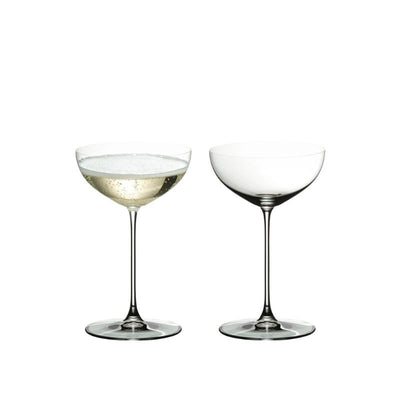
What to try: Champagne is often too expensive for everyday drinking, so instead look for Brut-style sparklers - that just means not sweet - such as Cava, Prosecco, or Crémant. And don't overlook English sparkling wine, which has had a very good few years: producers like Bolney, Ridgeview, and Nyetimber are turning out bottles that regularly hold their own against their French counterparts. The ideal glass is a tulip-shaped sparkling wine glass, wider than a traditional flute, which lets the aromas open up rather than trapping them.
Light-Bodied White Wine
 Background: These light, dry, easy-drinking whites are some of the world's best-selling wines, even if they don't get quite the reverence that reds do. Think of them as the beer of the wine world - endlessly versatile with food, and a pleasure to drink on a warm afternoon without any occasion necessary. The more herbaceous styles, particularly Sauvignon Blanc and Grüner Veltliner, are a dream for people who love savoury flavours: green, grassy, with hints of gooseberry and sometimes bell pepper.
What to try: The obvious ones are Pinot Grigio (same grape as Pinot Gris, just a different style) and Sauvignon Blanc, but there's a whole world beyond those. Grüner Veltliner from Austria is peppery and brilliant with food. Albariño from Galicia is zippy and almost saline. And Soave from northern Italy (pronounced "swah-vay", in case you need to say it out loud) is gentle and understated in the best possible way. For the freshest examples, look to cool-climate regions: New Zealand, Germany's Rheingau, Tasmania, and increasingly, England.
Full-Bodied White Wine
 Background: Full-bodied whites are the ones that tend to win over committed red wine drinkers, because they share some of the same qualities: richness, weight, and a satisfying creaminess. What sets them apart from lighter whites is usually what happens in the winery, not the vineyard, oak ageing in particular, which adds that smooth, rounded character in the same way it does for a good whisky.
What to try: Chardonnay is the classic here, particularly from warmer regions like California, Burgundy, or the south of Spain. If you've been put off Chardonnay by thin, sharp, over-oaked bottles from the 1990s, it's very much worth giving it another go, modern winemaking has been rather kinder to it. Viognier is another excellent choice: floral, peachy, and full without being heavy.
Sweet White Wine
 Background: Sweet white grapes are among the oldest cultivated varieties in the world, Cleopatra was fond of Muscat of Alexandria, a rich aromatic white from Greece, so this is a style with genuine history behind it. The hallmark of these wines is their explosive, perfumed aromas: they spring out of the glass before you've even taken a sip.
What to try: Moscato d'Asti is a good starting point - gently fizzy, low in alcohol, and effortlessly tasty. Gewürztraminer is the most distinctive: lychee, rose petals and ginger all at once. Torrontés from Argentina is fantastic if you prefer a drier style. And Riesling, which spans the full spectrum from bone-dry to lusciously sweet, is one of the most rewarding grapes you can explore.
Rosé
 Yes, it exists. Yes, I'm looking at you, Andrew.
Background: Rosé is made by leaving red grape skins in contact with the juice for a short time - long enough to pick up colour and a little structure, but not so long that it becomes a red. What's interesting is that this is probably closer to how most ancient wines looked than anything we'd recognise as a modern red: early winemakers pressed their grapes quickly, without extended maceration, producing lightly coloured wines not dissimilar to today's rosés.
What to try: Skip the sweet, candy-pink versions and go for a dry Provençal rosé. The Provence and Pays d'Oc regions of southern France produce some of the most elegant examples in the world, made from grapes like Grenache, Syrah, Carignan, and Mourvèdre. Pale, dry, and delicate, it's a completely different drink to the stuff sold by the gallon in supermarkets.
Light-Bodied Red Wine
Background: Light reds are pale enough to see through in the glass, low in tannin, and usually under 12.5% ABV, which makes them considerably more civilised at a midweek dinner table. Tannin is that drying, astringent quality in some red wines; it's the sensation of a wet teabag on your tongue. Light reds have very little of it, which makes them approachable, food-friendly, and a sensible starting point if you're new to red wine.
What to try: Pinot Noir is the most famous example - silky, cherry-scented, and endlessly versatile. Gamay Noir is less well-known by name but very familiar by region: it's the grape behind Beaujolais. A good Beaujolais-Villages or cru Beaujolais (think Fleurie, Morgon, or Brouilly) is one of wine's great underrated pleasures.
Medium-Bodied Red Wine
 Background: Medium reds are, in my view, the most useful category of wine to know. They have the structure and flavour complexity to be genuinely interesting, but with a lively acidity that makes them a joy with food. Think of them as the classic mid-week bottle: something with enough going on to deserve your attention, but not so weighty that it demands a special occasion.
What to try: This is a broad category, which is part of what makes it so useful. Grenache is warm and generous. Sangiovese, the grape behind Chianti and many other Italian reds, is bright and savoury. Merlot is softer and more approachable than it sometimes gets credit for. Zinfandel (the red version, not the rosé) is richly fruited and often a little spicy. Cabernet Franc, particularly from the Loire, is herbaceous and slightly smoky in the best possible way.
Full-Bodied Red Wine
Background: Full-bodied reds are the deep, dark, tannic end of the spectrum, and before you assume that that makes them harsh or difficult, bear in mind that tannin has a specific function. It binds to proteins in your saliva, which has a palate-cleansing effect. This is exactly why a bold red and a well-marbled ribeye steak are such a perfect combination: the tannin cuts through the fat, and the fat softens the tannin. Any red wine over about 13.5% ABV tends to fall into this category, with richer fruit, more complexity, and a fuller mouthfeel.
What to try: Syrah, called Shiraz in Australia and South Africa, is probably the most exciting wine in this category: peppery, dark-fruited, and electrifying when made well. Cabernet Sauvignon is the classic choice, especially from Bordeaux or Napa. Malbec from Argentina is a softer, more immediately approachable full-bodied red. And if you want something a bit unusual, South Africa's Pinotage is well worth seeking out.
Dessert Wine
 Background: Here's something that might surprise you: for most of wine history, sweet wines were more prized than dry ones. Some of the most revered wines in the world - Sauternes from Bordeaux, Tokaji Eszencia from Hungary - are so intensely sweet they're practically syrup. In the UK, a dessert wine is broadly any sweet wine drunk with a meal, as opposed to fortified wines taken before (a dry sherry) or after (port). In the US, the legal definition covers anything over 14% ABV, which pulls in all fortified wines as well - and taxes them more heavily as a result.
What to try: Start with a decent Port, it's accessible, affordable, and a proper introduction to what fortified sweet wine can do. Alternatively, a Sauternes or a late-harvest Riesling will show you what concentrated sweetness looks like in a still, unfortified wine. They pair beautifully with blue cheese, which sounds like a peculiar combination until you try it.
So, there you have it - nine styles, not two. Over the next three articles, we'll be taking a proper look at each group in depth: first the sparkling and white wine styles, then rosé and the lighter reds, and finally the big reds and dessert wines. In the meantime, find a good independent wine shop, ask questions, take notes, and start exploring. The app Vivino is genuinely useful for this - photograph the label, and it identifies the wine, gives you tasting notes, and keeps a record of everything you've tried. Above all, don't let anyone make you feel self-conscious about what you do or don't know.
Frequently Asked Questions About Wine Styles
How many styles of wine are there?
What is the difference between light, medium, and full-bodied wine?
What is tannin in wine?
What is the difference between dry and sweet wine?
What is the best wine for beginners?
Does the wine glass shape really matter?
What food goes with each wine style?
What is the difference between Champagne, Prosecco, and Cava?
What is a dessert wine?
How should I store wine at home?
Find the Right Glass for Every Style
The right glassware makes a genuine difference to how wine tastes and smells. Browse our full range of Riedel wine glasses, with options matched to every style on this list.
Shop White Wine Glasses Shop Red Wine Glasses




Leave a comment